
🪚 The 7 Must-Have Tools for Beginner Woodworkers (on a Budget)
Just getting started with woodworking? These seven essential tools will help you launch your new hobby or side hustle without spending thousands.
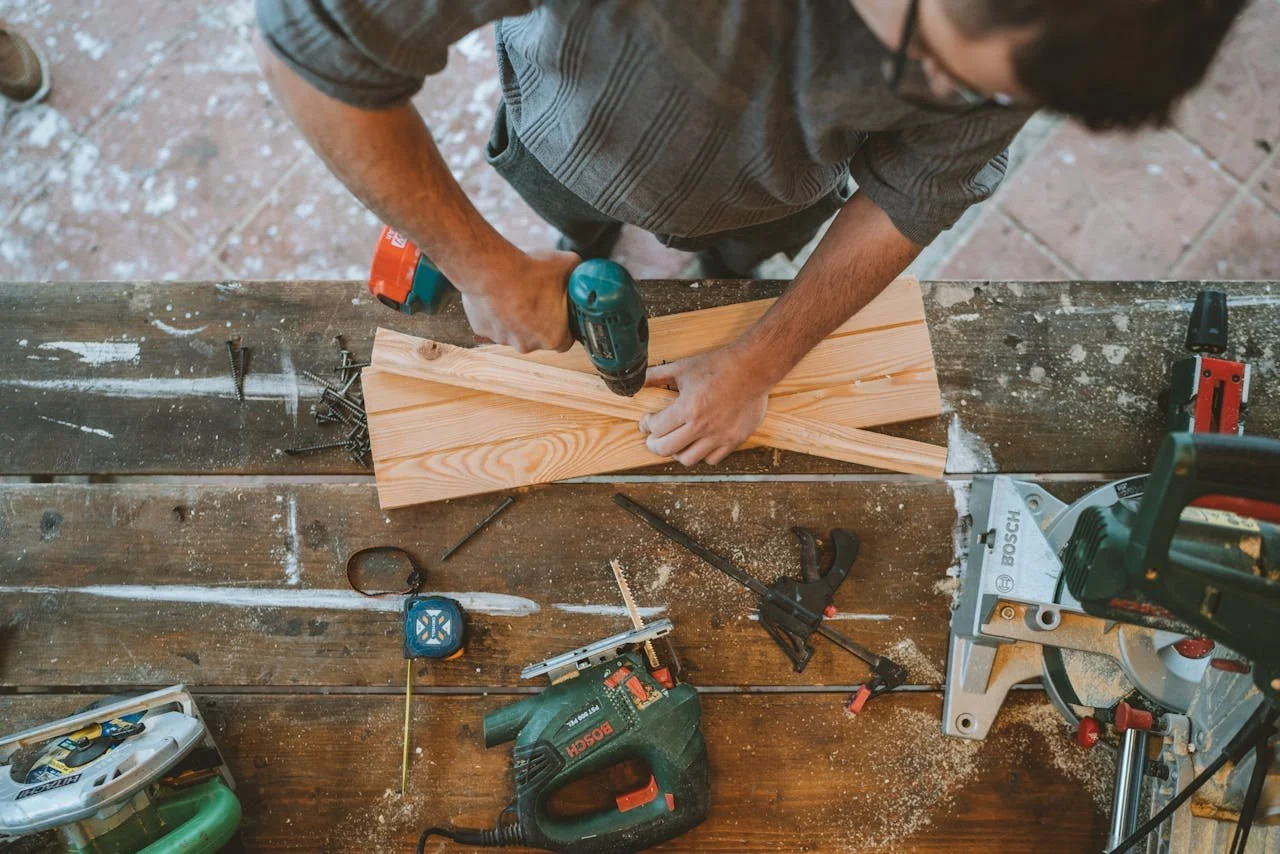
🛠️ 1. Cordless Drill/Driver Combo
Why it’s essential:
If you’re going to buy just one power tool, make it this one. A cordless drill/driver is your go-to for drilling holes and driving screws into wood, which you'll be doing constantly—from assembling furniture to framing projects.
What to look for:
Choose a drill that comes with adjustable torque settings and at least one battery and charger. For beginners, an 18V model is a great balance between power and price.
Budget tip:
You can often find combo kits during holiday sales that include a drill, battery, charger, and basic bits for under $75.
🔗 Recommended: Ryobi 18V Drill/Driver Kit – Affordable and Reliable
🔪 2. Circular Saw
Why it’s essential:
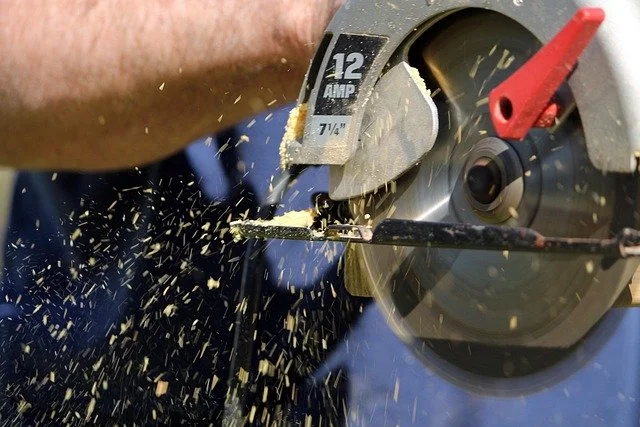
Table saws are great, but they’re pricey and take up a lot of space. A circular saw lets you make straight, accurate cuts in plywood, boards, and sheet goods—especially when paired with a straight edge guide.
What to look for:
A 7-1/4" blade with at least 13 amps of power is great for most beginner needs. Look for a beveling base plate and an easy-to-adjust depth gauge.
Budget tip:
The tool is only half the equation—spend a little more on a quality blade and you’ll get cleaner cuts even with a budget saw.
🔗 Recommended: Ryobi One+ Brushless 7-1/4 inch Circular Saw
🧽 3. Random Orbital Sander
Why it’s essential:
Hand sanding is slow, tiring, and inconsistent. A random orbital sander not only speeds up the process, but also gives you a smoother, more professional finish on your projects.
What to look for:
Go for a model with variable speed control and a dust collection bag or port. Hook-and-loop sanding pads make changing grits easy and fast.
Budget tip:
Corded sanders are generally more powerful and affordable than battery-powered models—and you won’t have to worry about battery life.
🔗 Recommended: DEWALT Random Orbital Sander – High Value for the Price
🧰 4. Clamps (Bar or Quick-Grip)
Why they’re essential:
Clamps are like an extra pair of hands in your workshop. Whether you’re gluing, screwing, or squaring up frames, clamps keep everything tight and secure while you work.
What to look for:
Start with at least two 24" bar clamps and two 6" quick-grip clamps. This setup covers most small- to mid-sized projects.
Budget tip:
Skip the super cheap Harbor Freight clamps—they often don’t hold pressure. Mid-tier brands like IRWIN offer long-lasting performance without a premium price tag.
🔗 Recommended: IRWIN Quick-Grip Clamps – Starter Set
📏 5. Tape Measure + Speed Square
Why they’re essential:
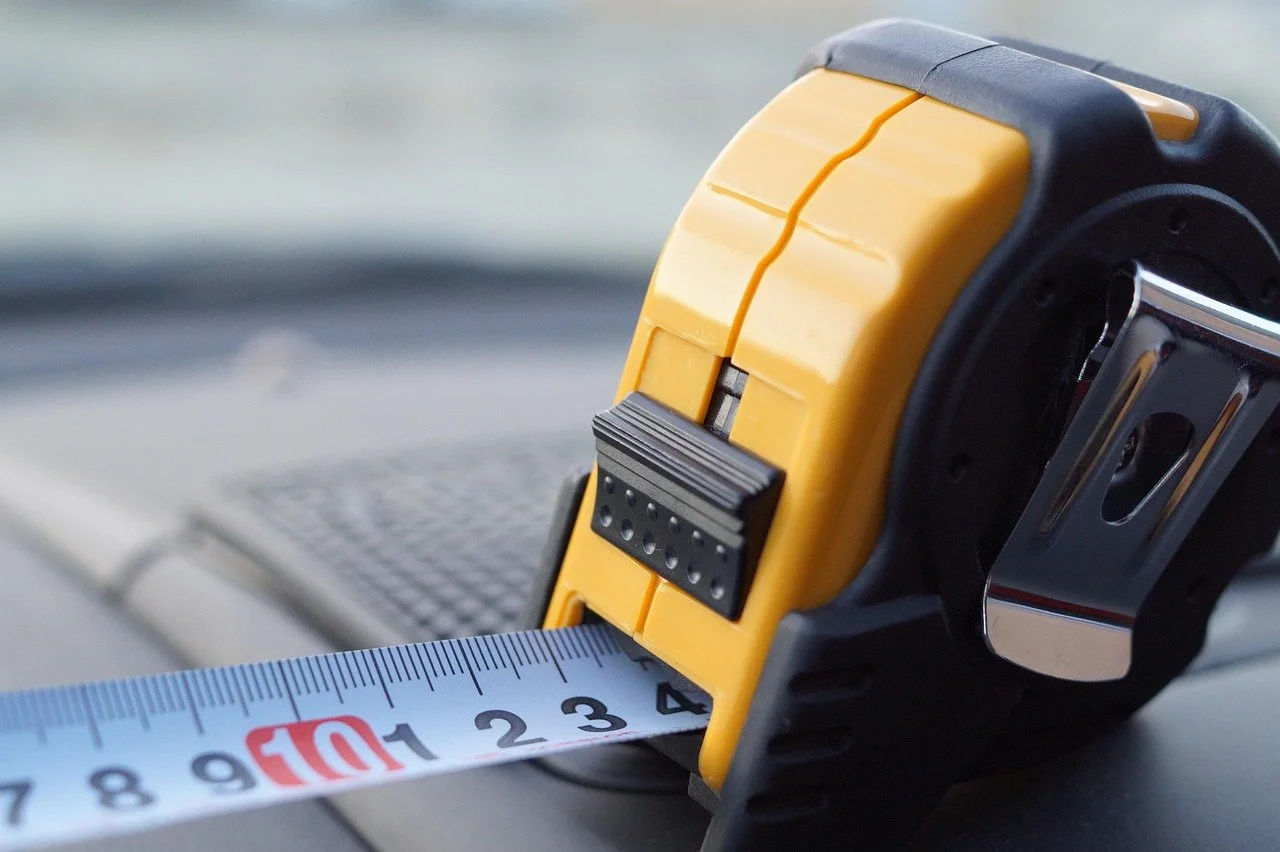
Every woodworking project starts with measuring and marking. A tape measure and speed square help ensure your cuts are straight and accurate, which is the key to professional-looking results.
What to look for:
Look for a 25-ft tape measure with a solid lock and clear markings. A metal speed square should have etched or stamped measurements (not painted).
Budget tip:
You can usually buy both together in a combo pack for around $15, and they’ll last you for years.
🔗 Recommended: Fast Cap Lefty/Righty and Swanson Speed Square
✂️ 6. Hand Saw
Why it’s essential:
Power tools are great, but sometimes a quick cut with a hand saw is all you need—especially for small trim pieces, dowels, or cleanup work.
What to look for:
Japanese pull saws are ideal for beginners—they cut on the pull stroke (not the push), giving you more control and smoother results.
Budget tip:
A good hand saw can often outperform a cheap jigsaw, especially for fine work. Expect to pay around $25–$35 for a quality pull saw.
🔗 Recommended: Suizan Japanese Pull Saw – Excellent for Beginners
🪵 7. Workbench or Sturdy Work Surface
Why it’s essential:
You need a flat, stable surface to work on—whether you’re cutting, sanding, gluing, or assembling. Without one, your projects are likely to be uneven or misaligned.
What to look for:
Look for a bench with a solid top, or build one using 2x4s and plywood. Even a repurposed table can work if it's sturdy and level.
Budget tip:
Building your own basic bench can cost under $50 and is actually a great beginner project to hone your skills.
🔗 DIY Plan: Workbench Plans for Under $50
🎁 Free Download: Beginner’s Woodworking Toolkit Checklist
Want to keep this info handy while shopping or setting up your workspace?
👉 Click here to download the free checklist (PDF)
Includes tool recommendations, budget tips, and a bonus weekend project idea.