
Meta and EssilorLuxottica Launch Next-Generation AI Glasses Powered by Muse Spark
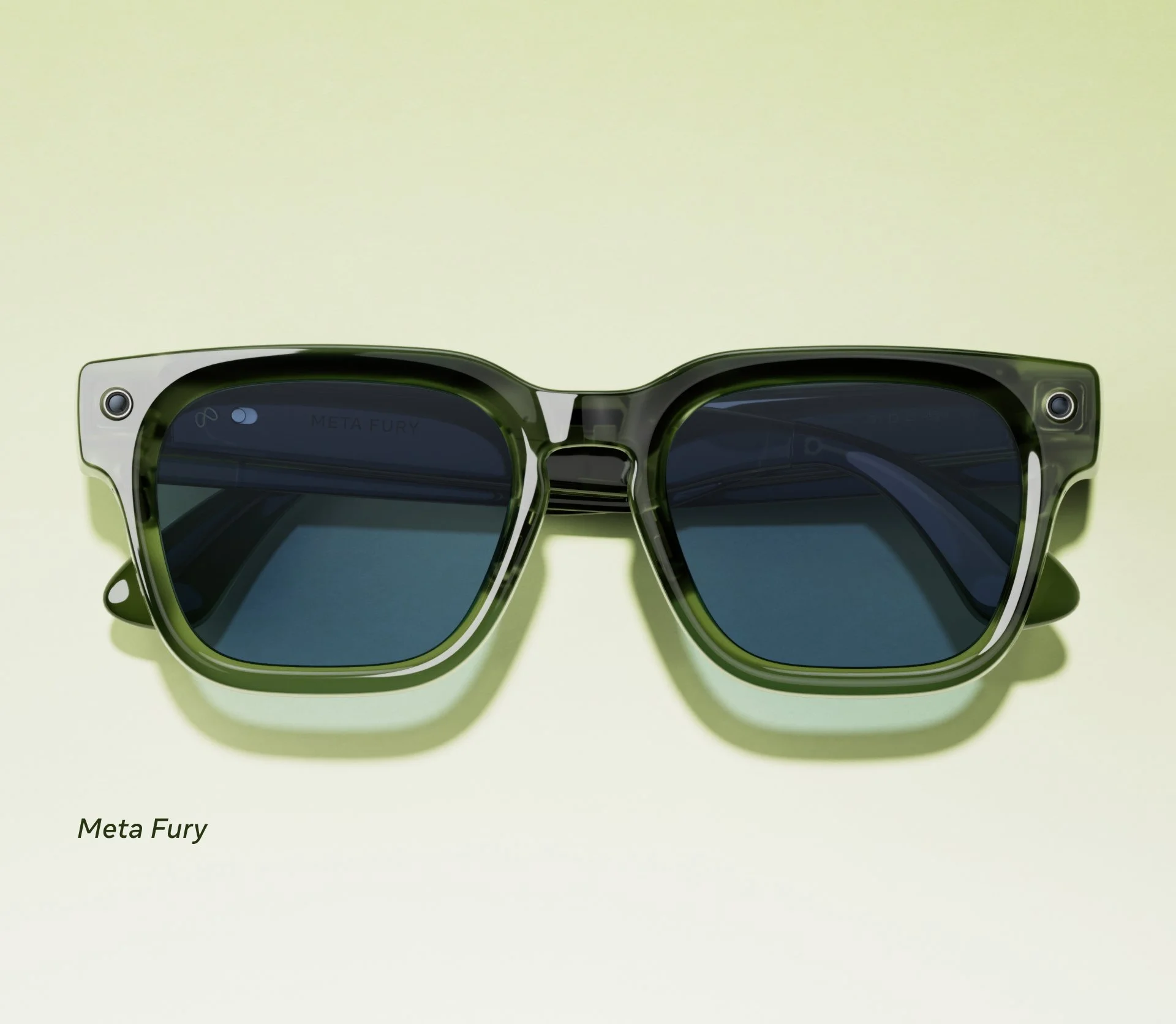
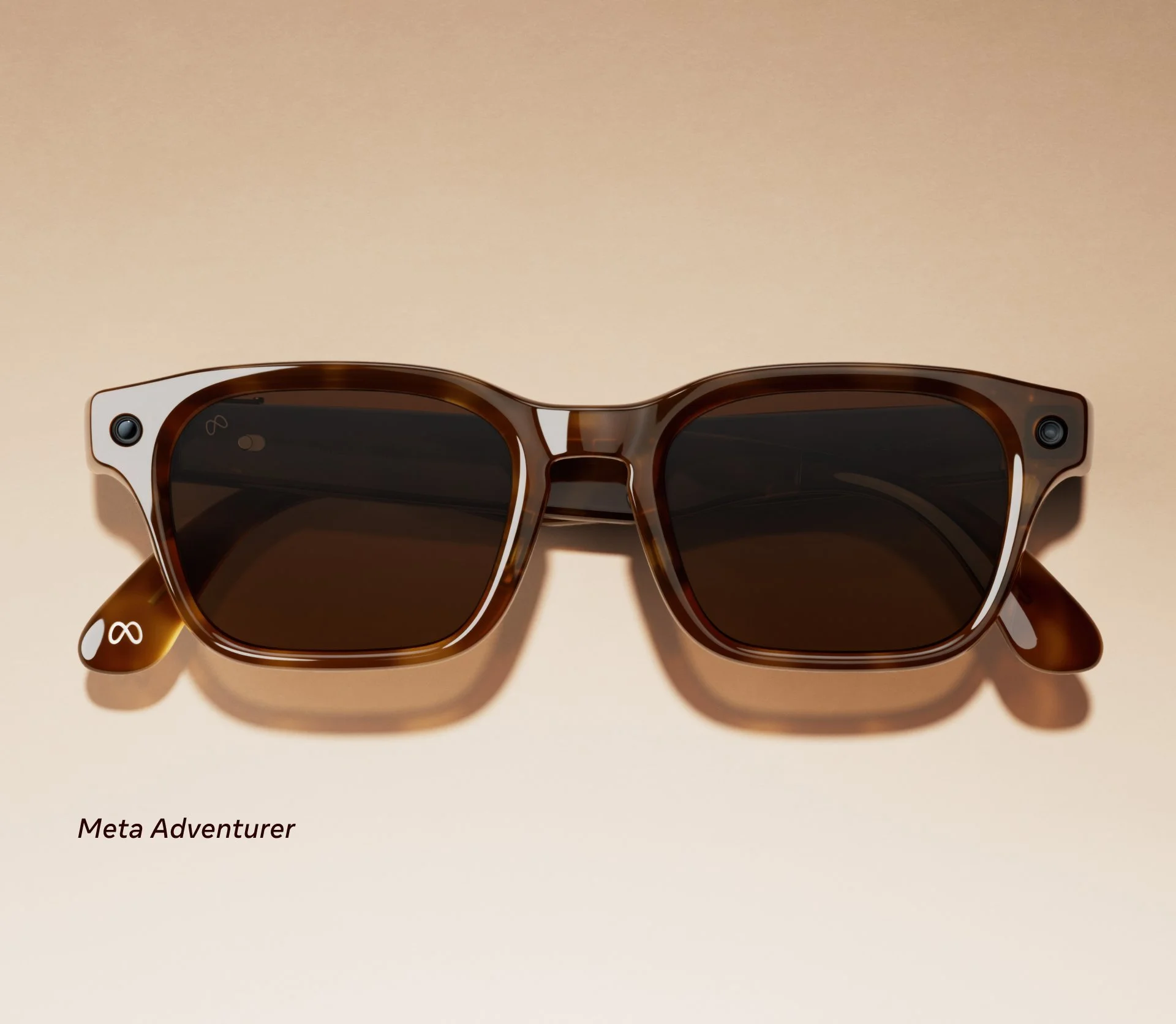








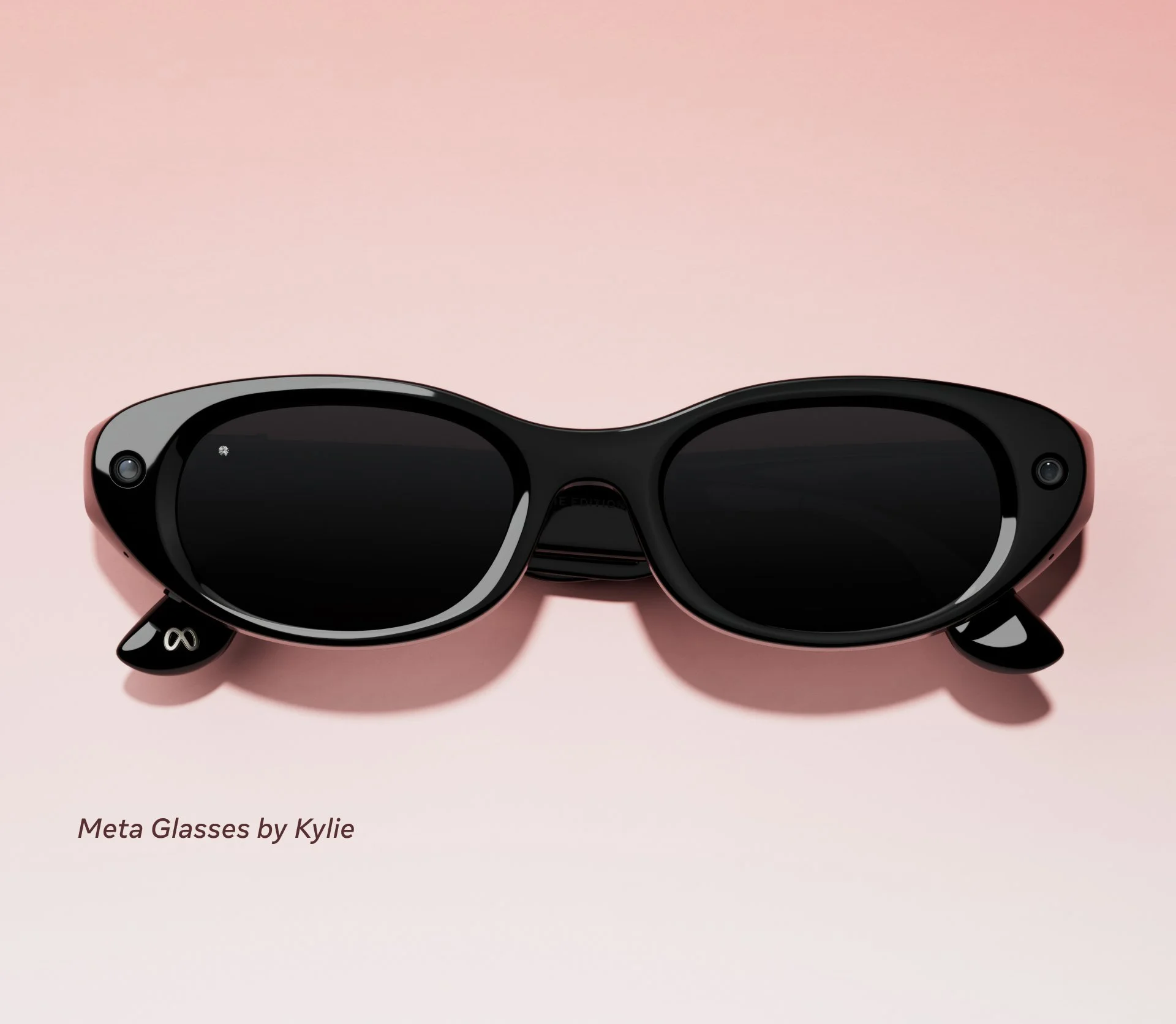
Meta and EssilorLuxottica Launch Next-Generation AI Glasses Powered by Muse Spark
Meta is taking another major step toward its vision of ambient computing with the launch of Meta Glasses, a new line of AI-powered smart glasses developed in partnership with EssilorLuxottica. Building upon the success of Ray-Ban Meta smart glasses, the new platform introduces upgraded artificial intelligence capabilities, improved hardware integration, and a wearable form factor designed to make AI assistance available throughout the day.
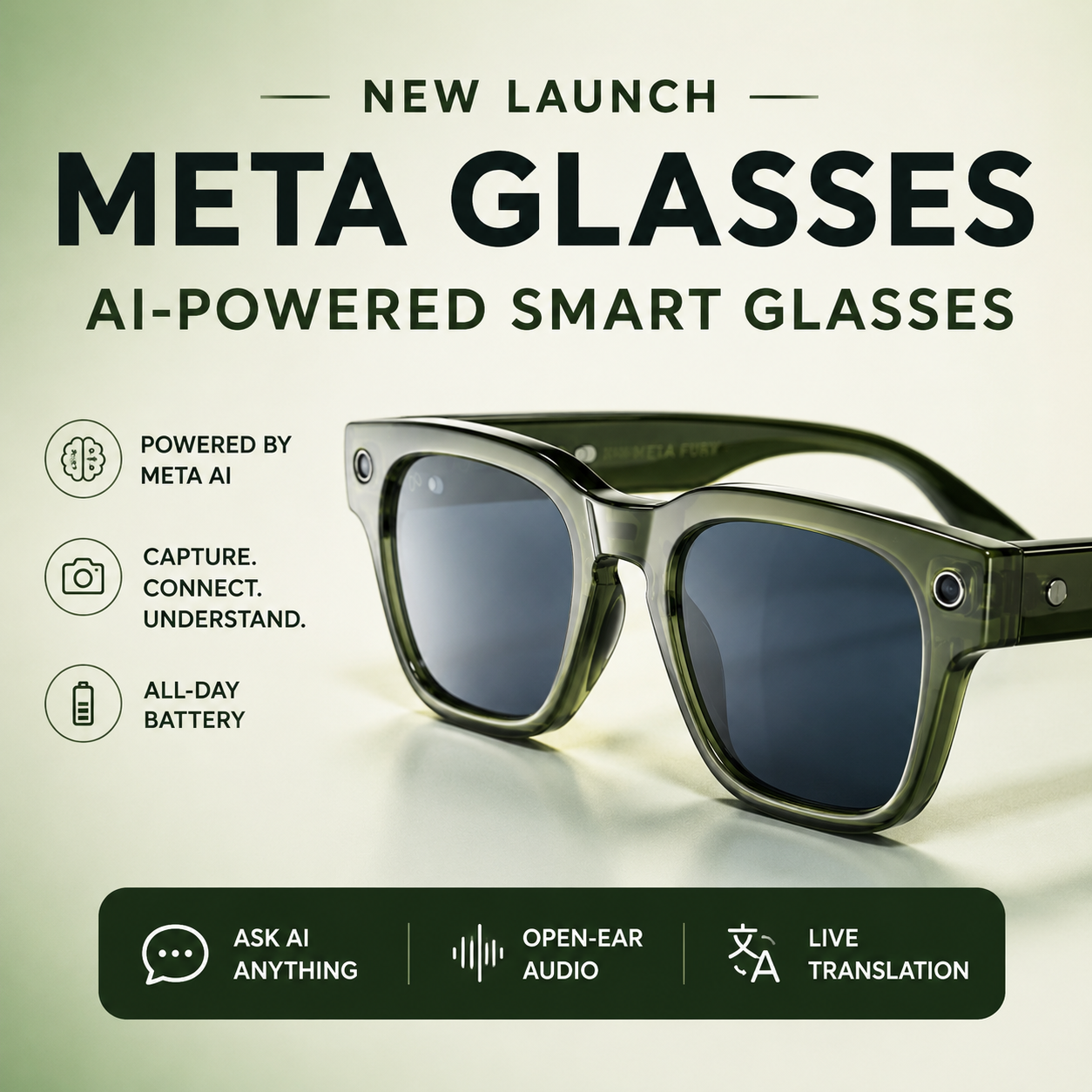
Starting at $299, Meta Glasses combine advanced sensors, spatial awareness, multimodal AI, open-ear audio, and hands-free content capture in a device that looks and functions like traditional eyewear.
The Next Evolution of AI Hardware
As artificial intelligence becomes increasingly integrated into daily life, the challenge shifts from developing powerful models to creating intuitive ways for people to interact with them.
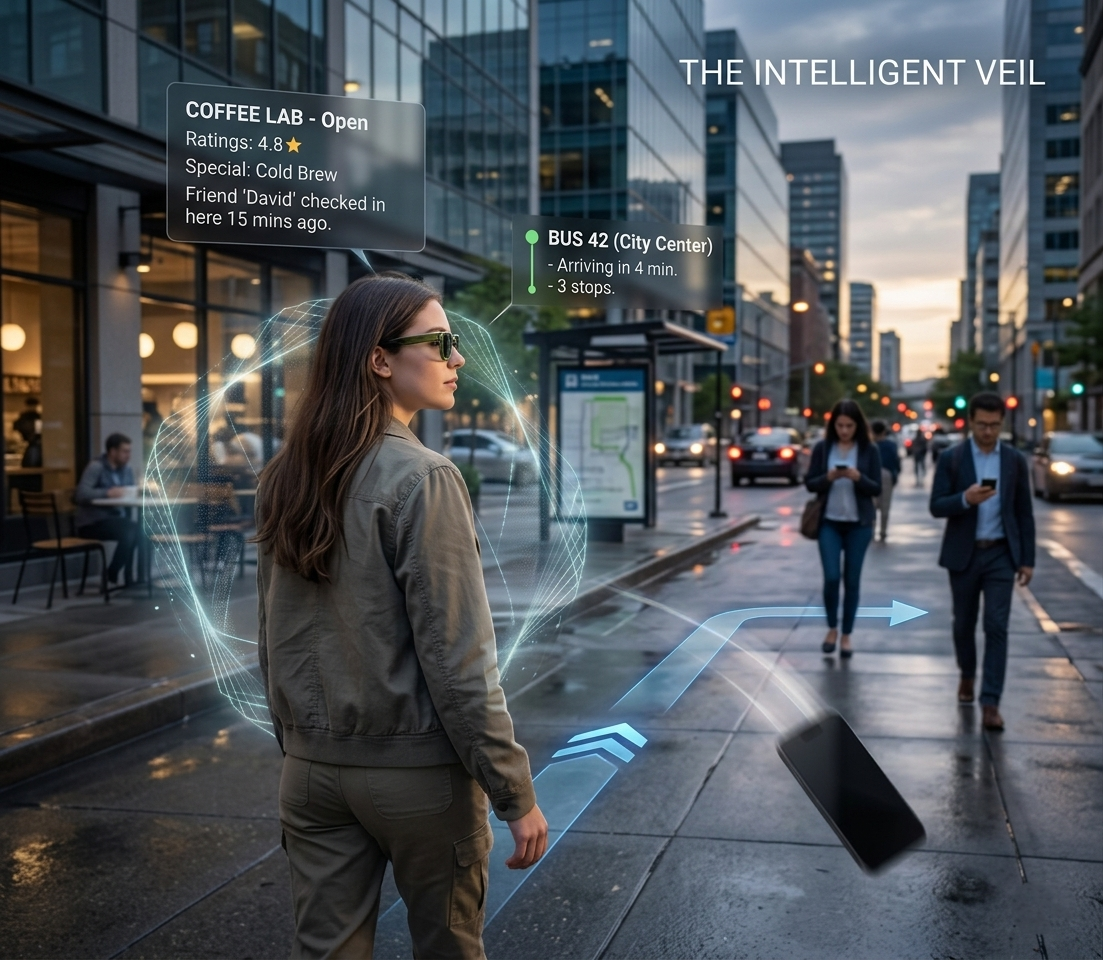
Meta believes smart glasses represent the ideal AI hardware platform because they occupy a unique position on the human body. Unlike smartphones, which require users to constantly shift their attention to a screen, AI glasses can continuously perceive the world from the wearer's perspective.
This allows the device to combine voice commands, environmental context, visual understanding, and real-time AI processing into a seamless user experience.
The launch of Meta Glasses demonstrates Meta's growing commitment to making wearable computing a primary interface for artificial intelligence.
Powered by Muse Spark AI
The most significant technological advancement in Meta Glasses is the integration of Meta AI powered by Muse Spark, a new foundation model developed by Meta Superintelligence Labs.
Muse Spark was specifically designed for Meta's hardware ecosystem and introduces enhanced multimodal reasoning capabilities. Unlike traditional voice assistants that primarily process spoken language, Muse Spark can interpret and combine multiple inputs simultaneously, including:
Voice commands
Environmental context
Visual information captured through onboard cameras
User preferences and historical interactions
This enables more sophisticated interactions where the AI understands not only what the user is saying but also what they are looking at and experiencing in real time.
For example, users can ask questions about objects, landmarks, products, or locations directly within their field of view and receive contextually relevant responses without pulling out a smartphone.
Meta Glasses on Amazon
On-Device Intelligence Meets Cloud Processing
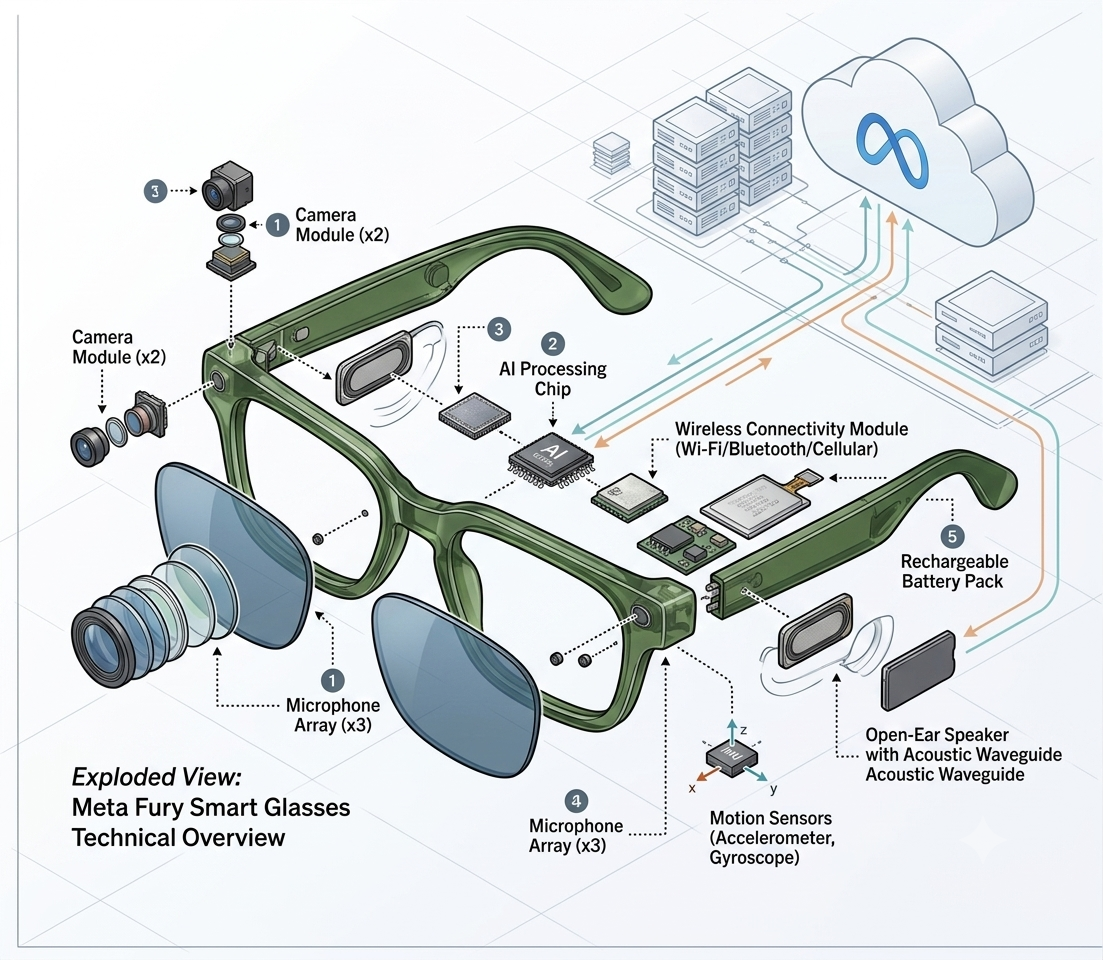
Meta Glasses represent a hybrid AI architecture that combines onboard hardware with cloud-based processing.
The glasses feature dedicated hardware for:
Audio processing
Voice recognition
Camera operation
Sensor management
Power optimization
More computationally intensive AI tasks can be processed through Meta's cloud infrastructure, enabling access to large-scale AI models without requiring excessive local processing power.
This approach helps balance performance, battery life, and device size while delivering advanced AI capabilities in a lightweight wearable form factor.
Advanced Sensor and Audio Systems
A critical component of the Meta Glasses platform is its sensor suite and audio architecture.
Open-Ear Speaker Technology
The glasses utilize integrated open-ear speakers that direct sound toward the wearer while maintaining environmental awareness.
Unlike traditional earbuds or headphones, this design allows users to:
Listen to music
Participate in phone calls
Hear navigation instructions
Interact with Meta AI
while still hearing surrounding sounds and conversations.
Multi-Microphone Array
Meta has incorporated an advanced microphone system with enhanced wind noise suppression and voice isolation capabilities.
The microphone array enables:
Improved speech recognition
Clearer phone calls
More accurate voice commands
Better AI interaction in noisy environments
This becomes increasingly important as voice interaction remains the primary input method for AI wearables.
Computer Vision and Context Awareness
One of the most ambitious aspects of Meta Glasses is their ability to understand visual information.
Integrated cameras allow the system to capture images and videos while simultaneously providing contextual information to Meta AI.
The computer vision stack can assist with tasks such as:
Identifying landmarks
Understanding scenes
Recognizing objects
Providing contextual recommendations
Supporting visual search experiences
As AI models continue to improve, visual understanding is expected to become one of the most valuable capabilities of wearable devices.
Battery Engineering for All-Day Use
Battery life remains one of the most challenging aspects of wearable technology.
Meta claims the new glasses can operate for more than eight hours on a single charge, with the portable charging case extending total usage to approximately forty hours.
Achieving this level of endurance requires optimization across multiple systems, including:
AI workload management
Audio processing efficiency
Sensor power consumption
Wireless communication protocols
Camera operation
These improvements suggest significant advances in Meta's wearable hardware engineering since earlier generations of smart glasses.
New AI Features Arriving Through Software Updates
Like modern smartphones, Meta Glasses are designed as a continuously evolving platform.
Several upcoming software enhancements have already been announced.
Dynamic Photo Technology
The new Dynamic Photo feature captures multiple frames automatically and uses AI to recommend the strongest image.
This approach applies computational photography techniques similar to those found in flagship smartphones.
Pedestrian Navigation
Meta plans to introduce turn-by-turn pedestrian navigation designed specifically for displayless smart glasses.
Rather than requiring users to repeatedly check a phone screen, navigation guidance can be delivered through audio instructions and contextual AI assistance.
Expanded Real-Time Translation
Support for fourteen additional languages is being added to Meta's live translation system.
New languages include:
Japanese
Mandarin Chinese
Hindi
Korean
The feature enables near real-time multilingual conversations, showcasing how wearable AI can help reduce communication barriers.
The Future of Ambient Computing
Meta Glasses are more than a new consumer electronics product. They represent another step toward ambient computing, a future where AI assistants operate continuously in the background and become deeply integrated into everyday life.
By combining multimodal AI, computer vision, advanced audio systems, contextual awareness, and wearable hardware, Meta is attempting to move beyond the smartphone-centric computing model that has dominated for nearly two decades.
Whether smart glasses ultimately become the next major computing platform remains uncertain. However, the launch of Meta Glasses powered by Muse Spark demonstrates that Meta is investing heavily in a future where AI is not confined to screens but exists as a persistent layer between users and the world around them.

Discover 5 breakthrough Etsy trends for 2026 sourced outside the platform. Learn how to launch high-converting products before your competition floods the market.