
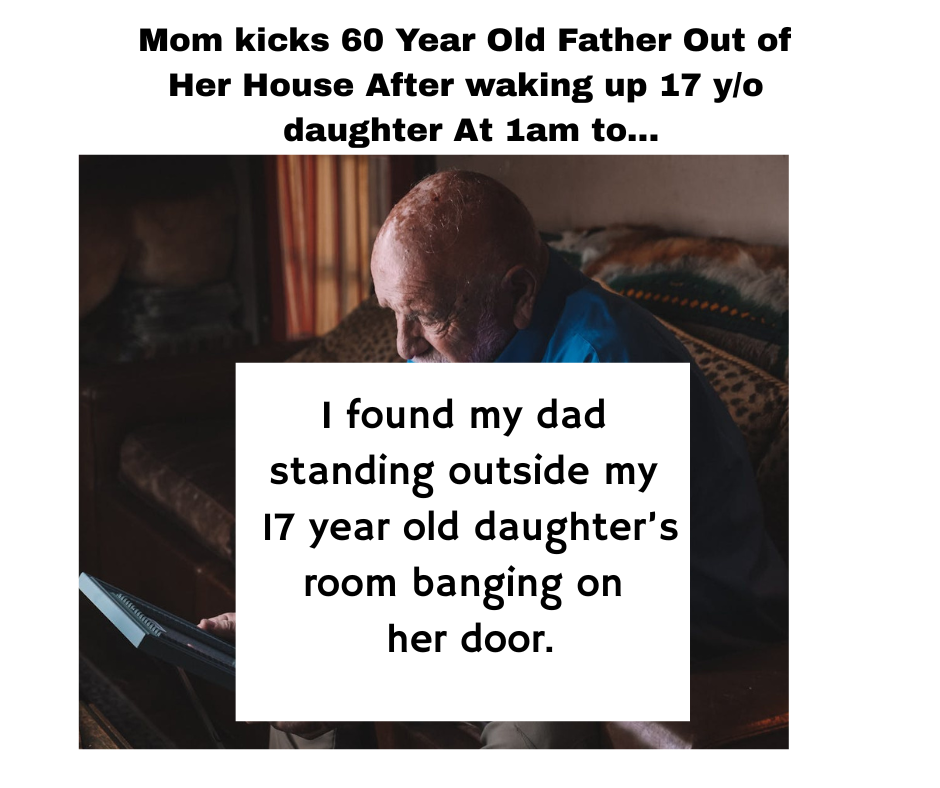
Mom kicks 60 Year Old Father Out of her House After waking up 17 y/o daughter At 1am to make her food

Traditions play a meaningful role in many cultures, connecting generations and preserving a sense of simplicity from the past. But when tradition goes unquestioned, it can also carry outdated beliefs that no longer belong in modern families.
One woman was forced to confront that reality when her “traditional” father woke her teenage daughter after midnight to heat up his food. When he refused to apologize for crossing that boundary, she made the difficult decision to hold him accountable.

Related:
17 Times People Solved Everyday Problems With Shockingly Clever Ideas
When Family Becomes Too Close for Comfort

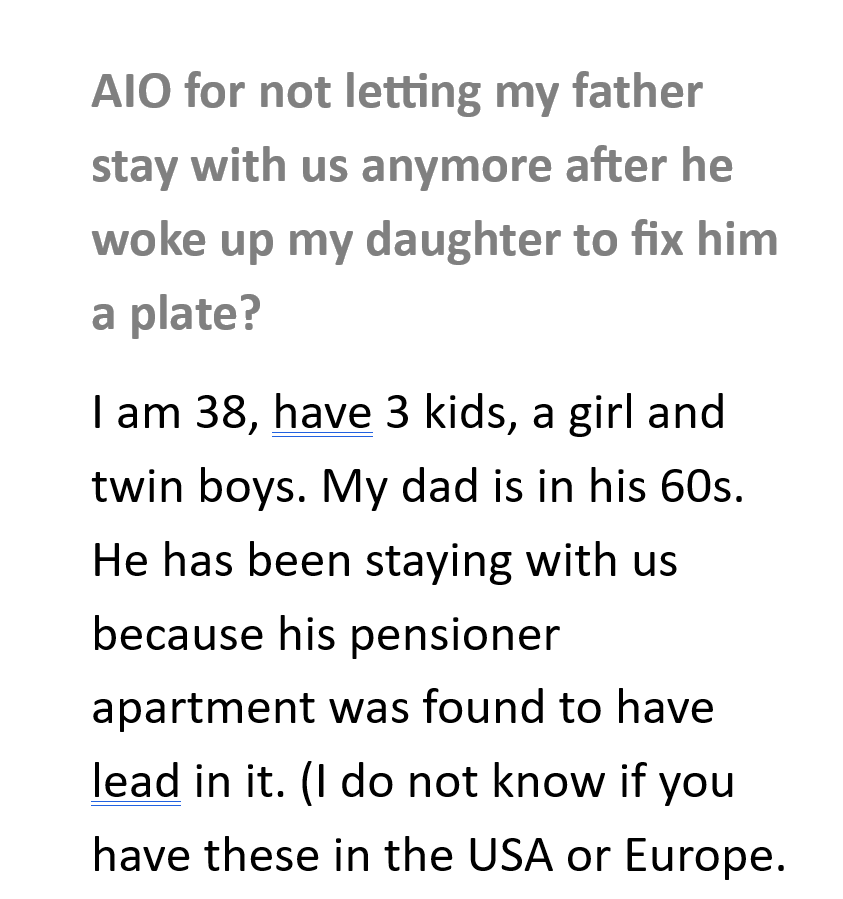
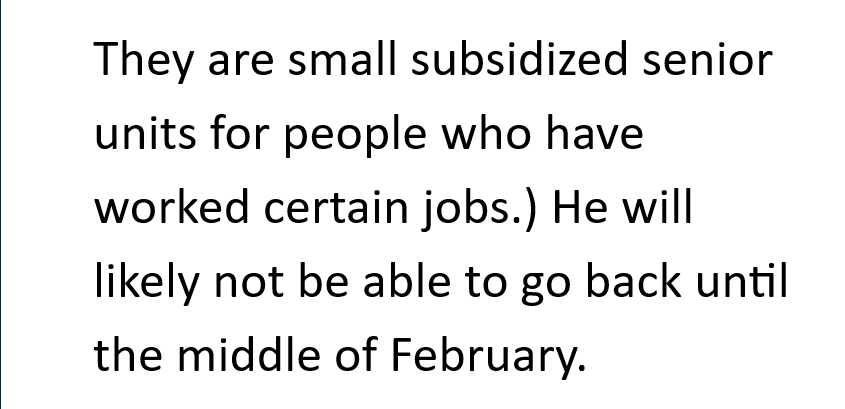
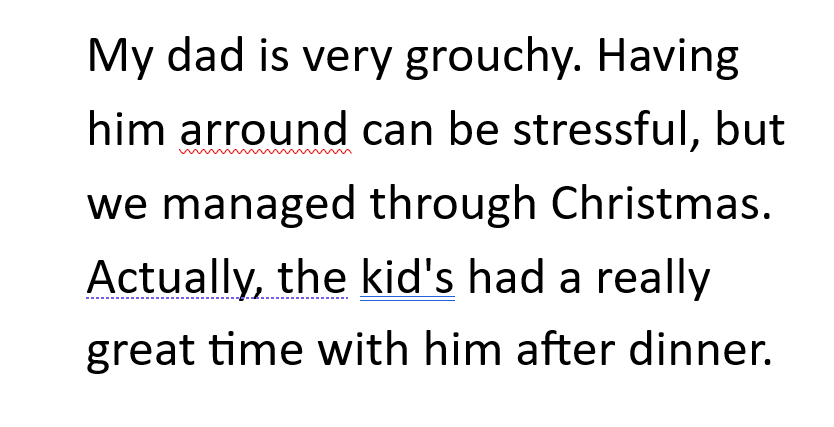
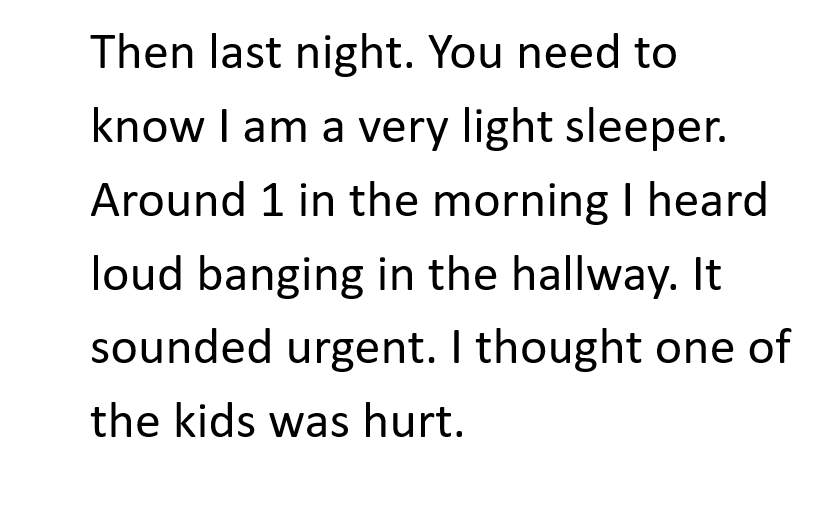

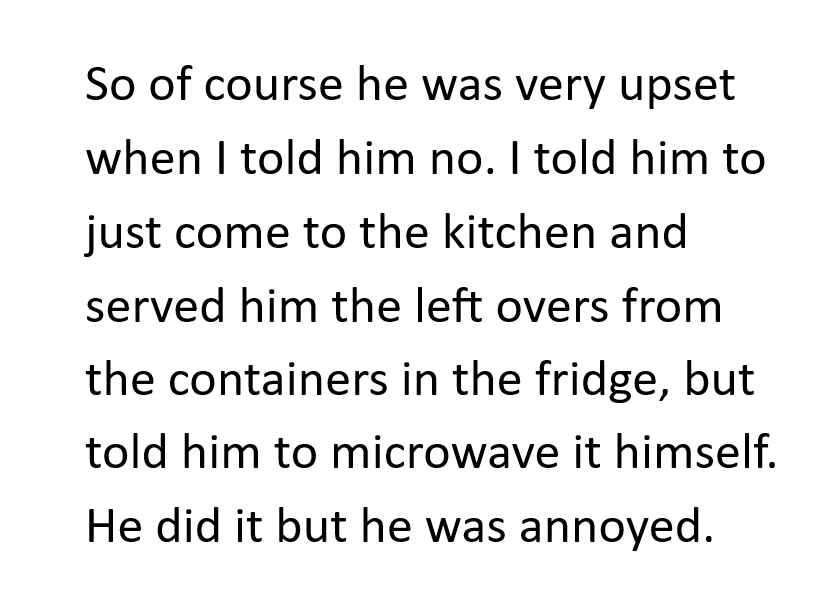
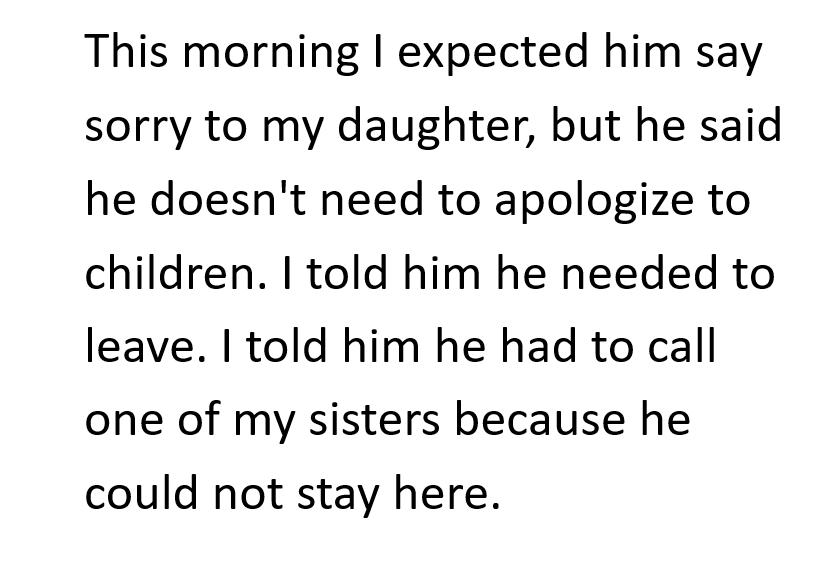
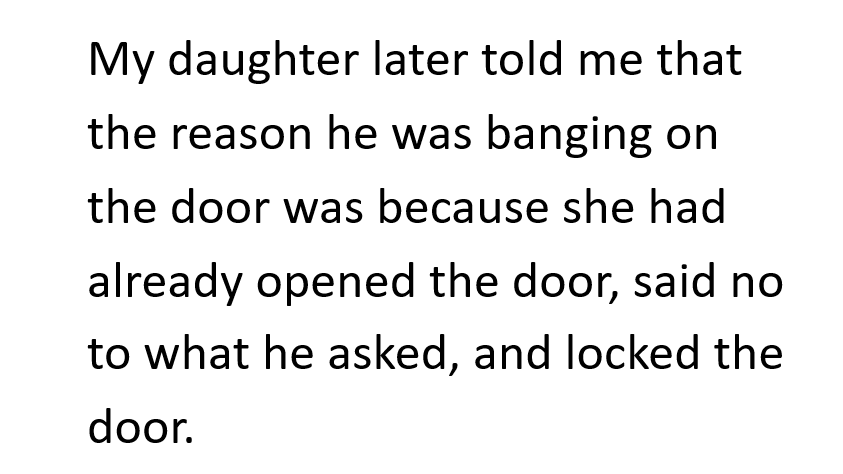
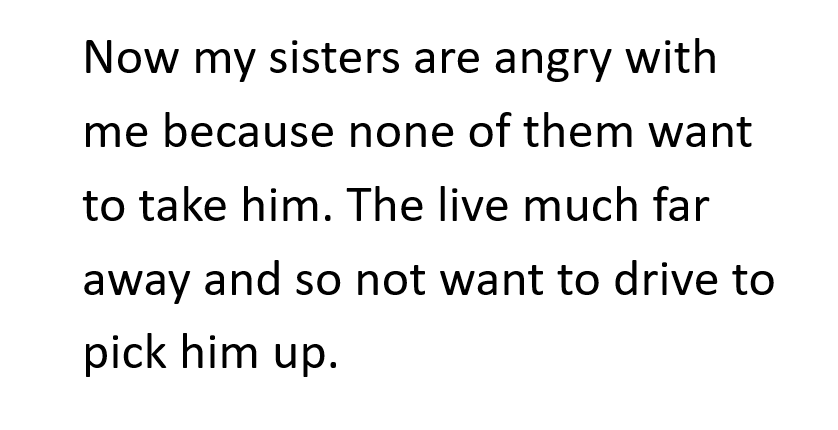
From a mental health perspective, this story centers on boundary violations, generational entitlement, and the emotional toll of caretaking under stress.
At its core, the situation reflects what happens when unresolved family dynamics collide with vulnerability and power imbalance. The grandfather, displaced from his home and likely experiencing a loss of control, responds by clinging to rigid “traditional” beliefs that place responsibility on others, particularly women and children, to meet his needs. Rather than adapting, he asserts entitlement, even at the expense of others’ safety and well-being.
For the mother, this creates chronic stress and emotional overload. She is simultaneously a caregiver, a parent, and a daughter, roles that come with conflicting expectations. Her reaction is not dramatic. It is a protective response triggered when a clear line is crossed. Sleep disruption, fear for her child, and moral injury, being forced to choose between parents and children, compound her distress.
The teenage daughter’s experience is also significant. Being woken late at night by an adult demanding service can feel threatening and unsafe, even if no physical harm occurs. Her decision to say no and lock her door shows healthy boundary-setting, but the incident still risks undermining her sense of security in her own home.
The aftermath, family backlash, guilt, and abandonment fears, illustrates a common mental health pattern. Families often pressure the person who sets boundaries to absorb the discomfort for everyone else. This can lead to self-doubt, anxiety, and rumination, even when the boundary is justified.
From a mental health lens, the key takeaway is this. Protecting emotional and physical safety, especially for children, is not cruelty. It is healthy functioning. Discomfort, guilt, and family conflict are painful but predictable side effects of breaking long-standing dysfunctional patterns. The distress does not mean the decision was wrong. It often means it was necessary.
In short, this story is less about a single incident and more about the psychological cost of prioritizing harmony over safety, and the strength it takes to choose differently.
Commentors overwhelmingly sided with the Mom and felt that she was completely justified in removing her dad from her house because of his behavior.








Struggling to make it through a long Friday workday? Enjoy a hilarious collection of random memes, plus expert tips on finding joy and fun in everyday life.