
15 Essential Tasks Most Homeowners Overlook
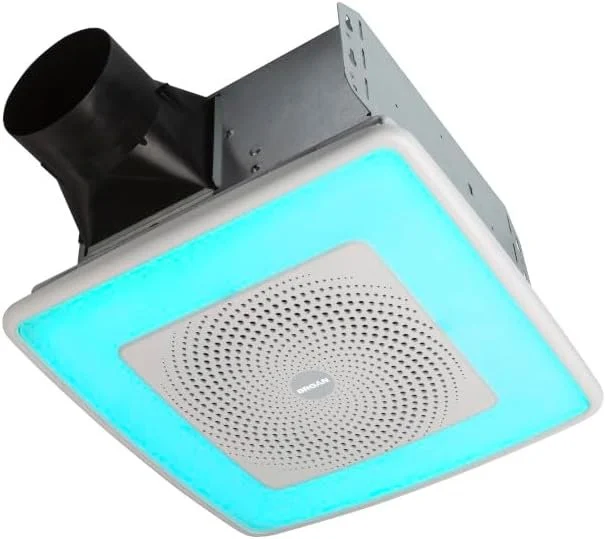
15 Essential Home Maintenance Tasks Most Homeowners Overlook
You mow the lawn. You clean the counters. You change a lightbulb when it burns out.
But there’s a whole category of home maintenance that almost no one talks about quiet, behind-the-scenes tasks that protect your home, your wallet, and your safety.
These are the chores you don’t notice… until something goes wrong.
Welcome to New Homeowner Bootcamp, your essential guide to the often-overlooked responsibilities of owning a home. Whether you just got your keys or you’ve lived in the same place for years, these small maintenance tasks can prevent major repairs, reduce energy bills, extend the life of your appliances, and eliminate serious safety risks.
The good news?
Most of these jobs are easy, inexpensive, and take less than an hour. No advanced tools. No contractor calls. Just smart, proactive homeownership.
Let’s get into the 15 tasks most homeowners forget—but absolutely shouldn’t.
1. Clean Inside Your Dryer and the Dryer Vent
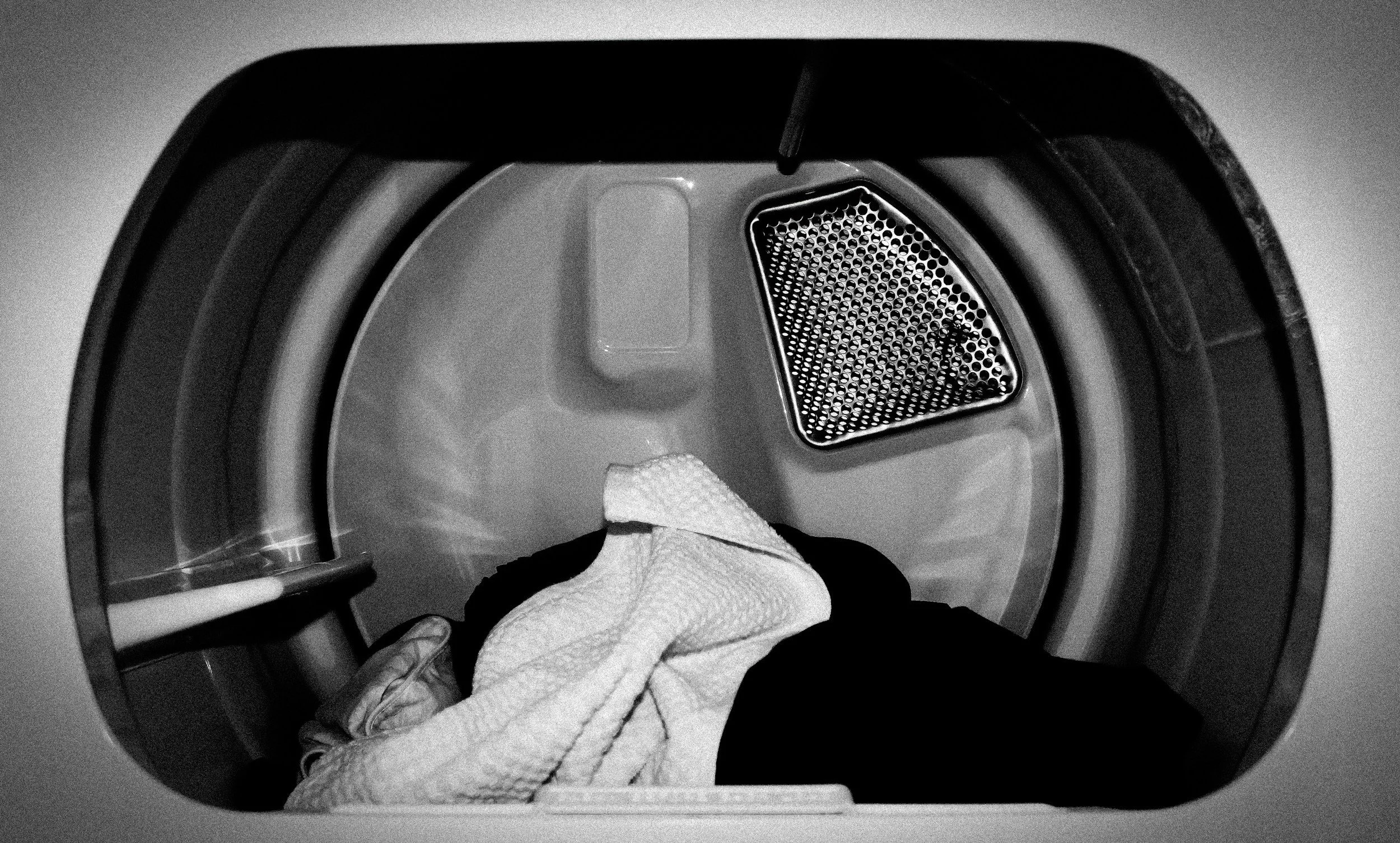
Most people clean the lint trap and think they’re done. Unfortunately, that’s only part of the story.
Lint escapes through tiny gaps around the dryer drum and builds up inside the dryer cabinet and exhaust vent. This hidden lint is extremely flammable—and it’s responsible for more than 15,000 house fires every year.
When airflow is restricted, heat builds up. That heat can ignite lint from electric heating elements, gas burners, or even a small motor spark. Once ignited, flames can race through a lint-lined vent like a fuse.
Warning signs of a clogged dryer vent include:
Clothes taking longer to dry
A strong “hot” or musty smell
The dryer feeling unusually hot
Excess lint around the exterior vent cap
Homes with centrally located dryers are especially vulnerable because they have longer vent runs.
Why it matters:
Cleaning the vent improves efficiency, lowers fire risk, and saves energy. It’s one of the most important maintenance tasks you can do—and one of the most ignored.
2. Clean the Bathroom Exhaust Fan
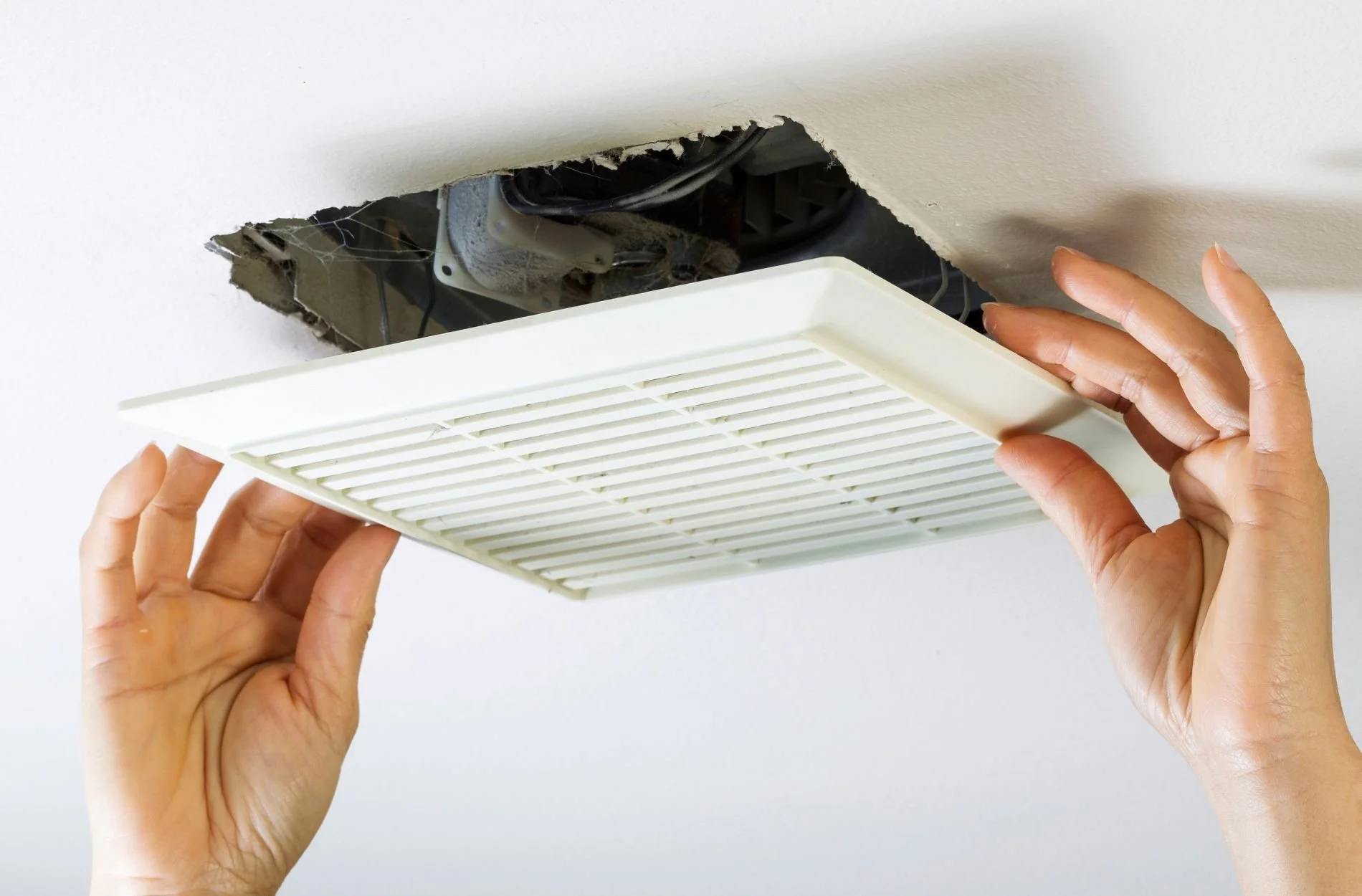
Your bathroom fan quietly protects your home from mold and moisture damage—if it’s working properly.
Over time, dust and lint build up on the fan blades and grille, reducing airflow and making the fan less effective. Because these fans are mounted on the ceiling, most homeowners never notice when performance drops.
“Bathroom exhaust fans are one of your best defenses against mold,” says Michael Sacenti of American Healthy Homes. “But only if they can move air.”
How to clean it:
Pull down the cover
Squeeze the spring clips to remove it
Wash the cover and vacuum dust from the fan housing
Why it matters:
A clean fan removes humidity faster, prevents mold growth, and protects paint, drywall, and framing.
3. Clean Faucet Aerators
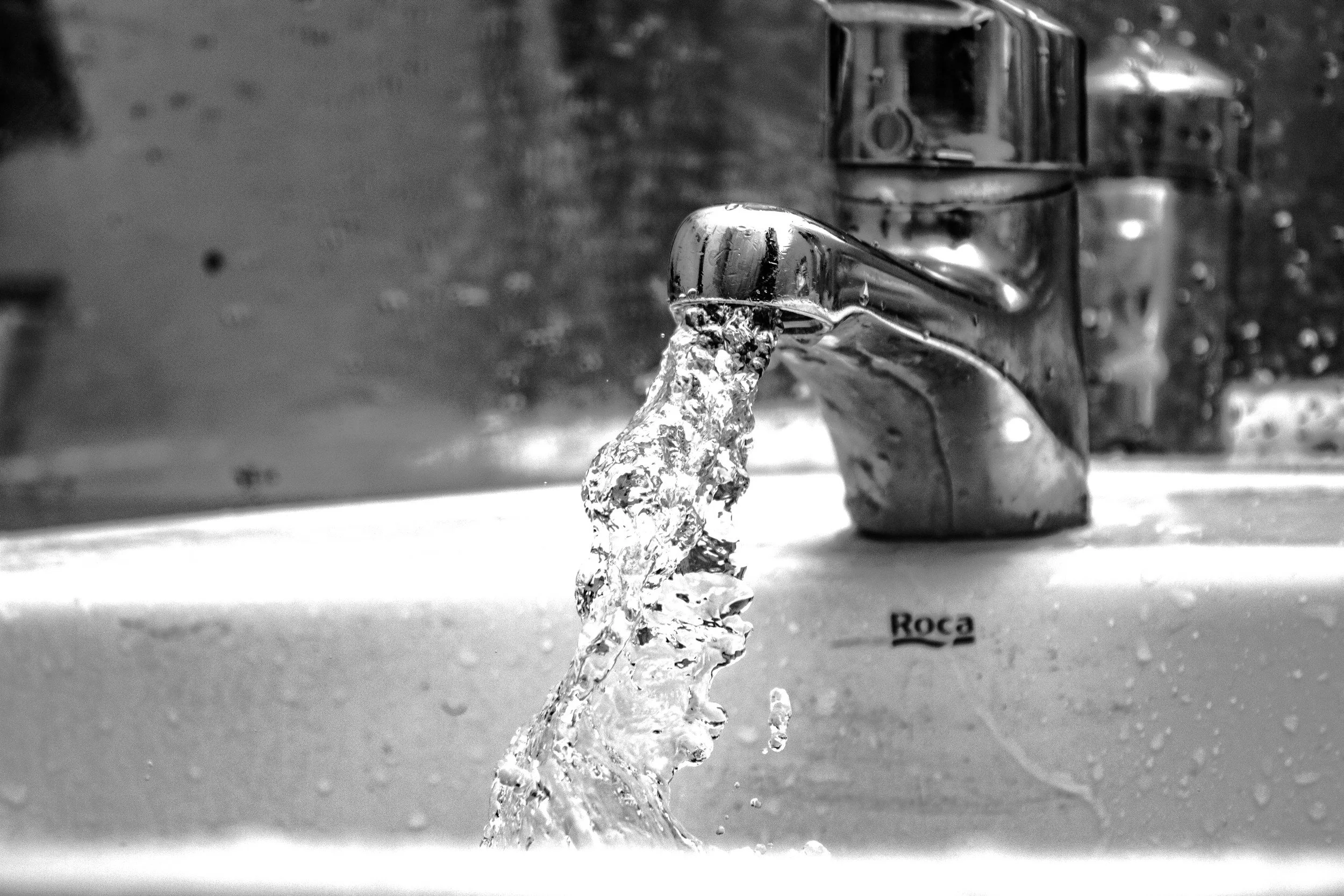
If your faucet flow has slowed, sprays sideways, or looks uneven, the problem is usually hiding right at the tip.
Aerators collect mineral deposits, sand, and debris from your plumbing system. Over time, these clogs restrict water flow and waste pressure.
The fix is simple:
Unscrew the aerator
Rinse or soak it in vinegar
Reinstall—or replace if damaged
Why it matters:
Clean aerators restore water pressure, improve efficiency, and help your plumbing fixtures last longer.
4. Check for High Water Pressure
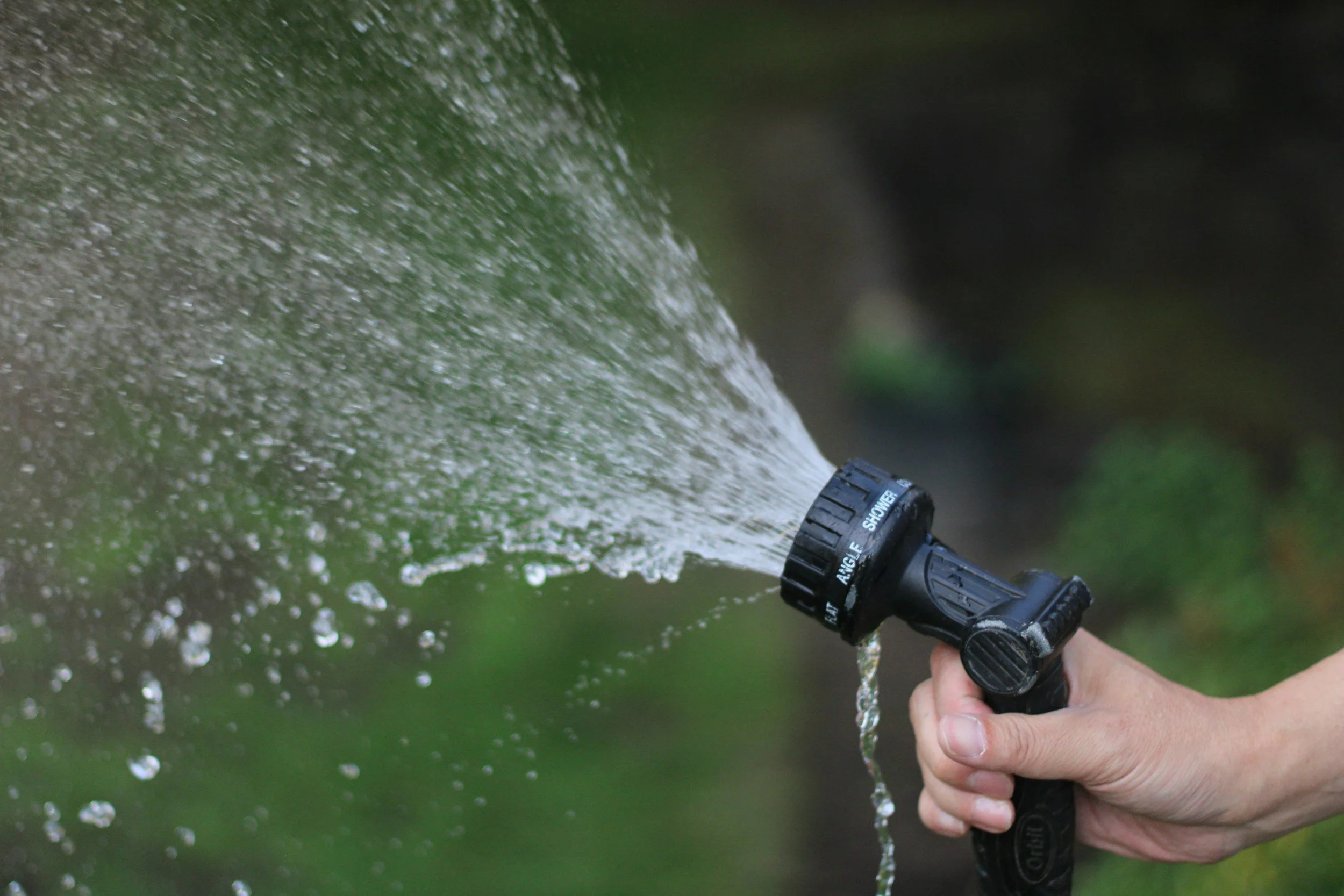
High water pressure may feel great—but it’s silently damaging your home.
Excessive pressure stresses pipes, fittings, appliances, and valves. It also causes water hammer (that banging noise in pipes) and wastes huge amounts of water.
How to check:
Use a simple pressure gauge on a hose bib or laundry faucet
Ideal household pressure is 40–60 PSI
If pressure is consistently higher, a pressure-reducing valve may be needed.
Why it matters:
Unchecked pressure shortens appliance lifespan and increases the risk of leaks and pipe failure.
5. Monitor Your Water Heater
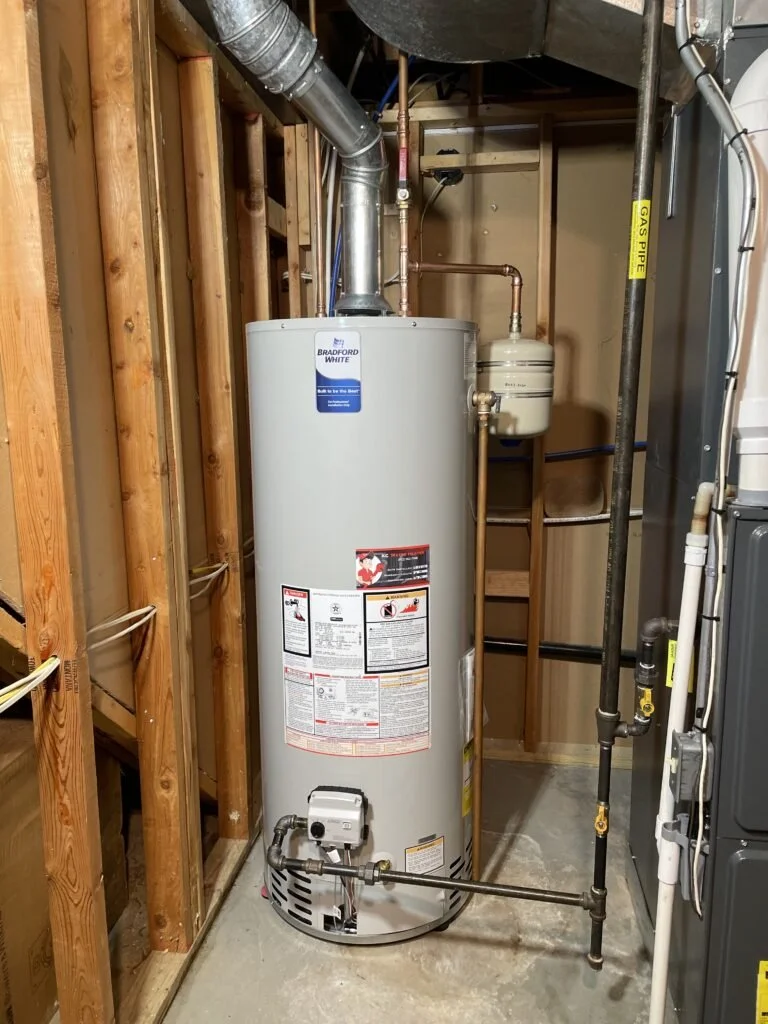
Your water heater works every day—and rarely gets attention until it fails.
Just a few minutes of annual maintenance can:
Extend tank life
Improve efficiency
Reduce sediment buildup
Prevent pressure-related failures
Basic checks include inspecting the pressure relief valve, flushing sediment, and looking for corrosion or leaks.
Why it matters:
Water heater replacement is expensive. Maintenance is cheap.
6. Replace Furnace Filters Regularly

Dirty filters choke your HVAC system.
“You should check filters monthly and replace them at least four times a year,” says Alexander Siv of Amherst Plumbing and Heating. “A furnace needs airflow to function properly.”
Clogged filters:
Reduce efficiency
Increase energy bills
Cause overheating
Shorten system lifespan
Why it matters:
Clean filters protect your system and improve indoor air quality.
7. Check the HVAC Condensate Line
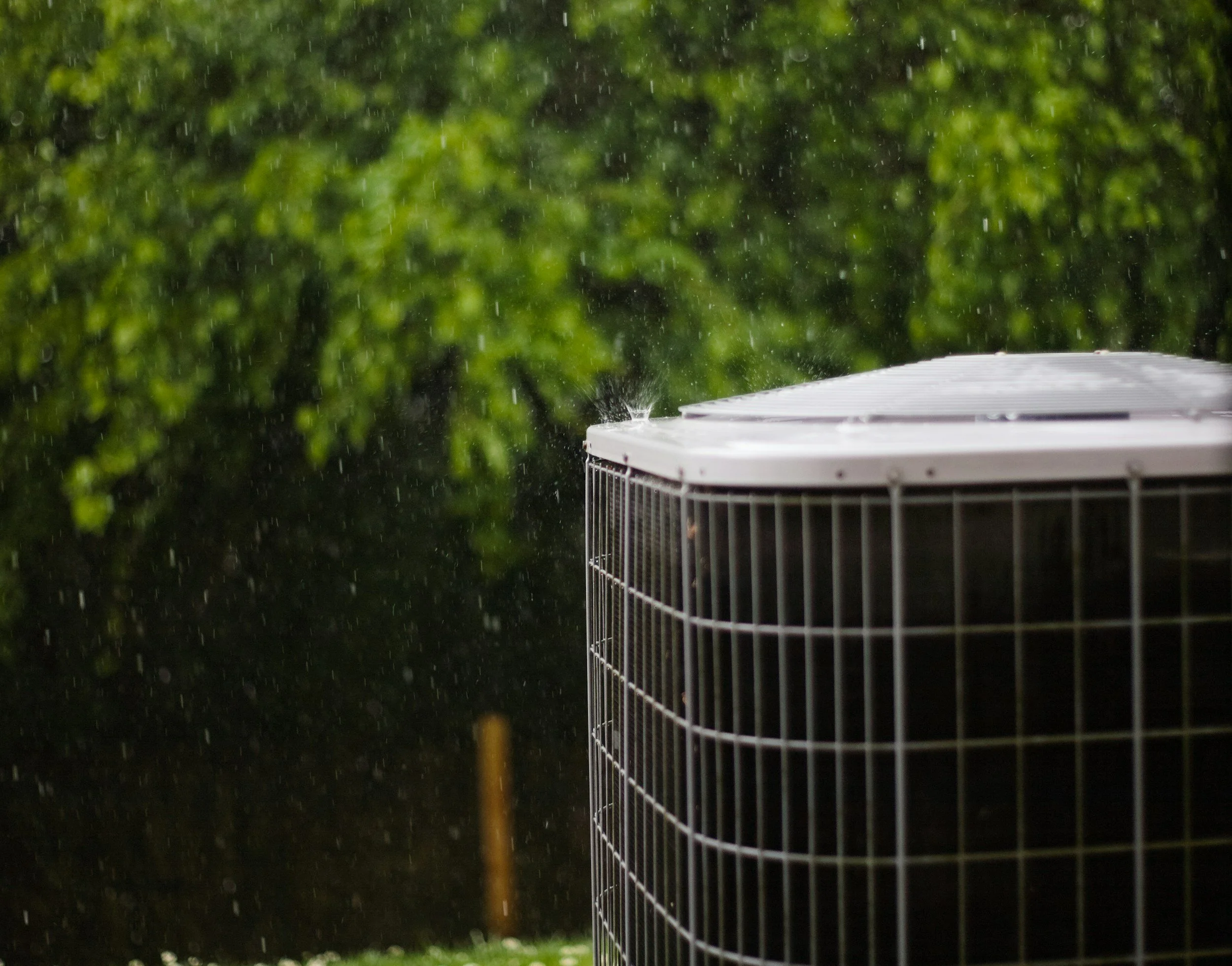
When your air conditioner runs, it removes moisture from the air. That moisture drains through a condensate line—which can clog with bacteria and slime.
If you notice water pooling near the furnace or air handler, the line may be blocked or disconnected.
What to check:
Drain tube alignment
Condensate pump power
Sludge buildup
Why it matters:
Clogged lines can cause water damage, mold growth, and system shutdowns.
8. Blow Out Soffit Vents

Soffit vents allow fresh air into your attic—but only if they’re clear.
Dust, insulation, and debris can block airflow, trapping heat in summer and moisture in winter.
Why it matters:
Proper attic ventilation:
Reduces cooling costs
Prevents roof damage
Minimizes condensation and ice dams
A quick blast of air keeps vents doing their job.
9. Clean Window Weep Holes
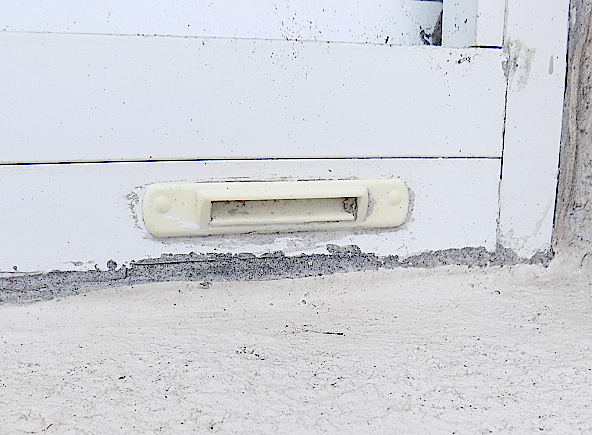
Weep holes are tiny drainage openings at the bottom of window frames. Their job is to let water escape.
When they clog, moisture can back up into walls or window frames.
How to test them:
Spray water on the outside of the window
Look for water draining freely
If blocked, clear with compressed air or a stiff wire.
Why it matters:
Proper drainage prevents rot, mold, and window damage.
10. Clean Outdoor Light Fixtures
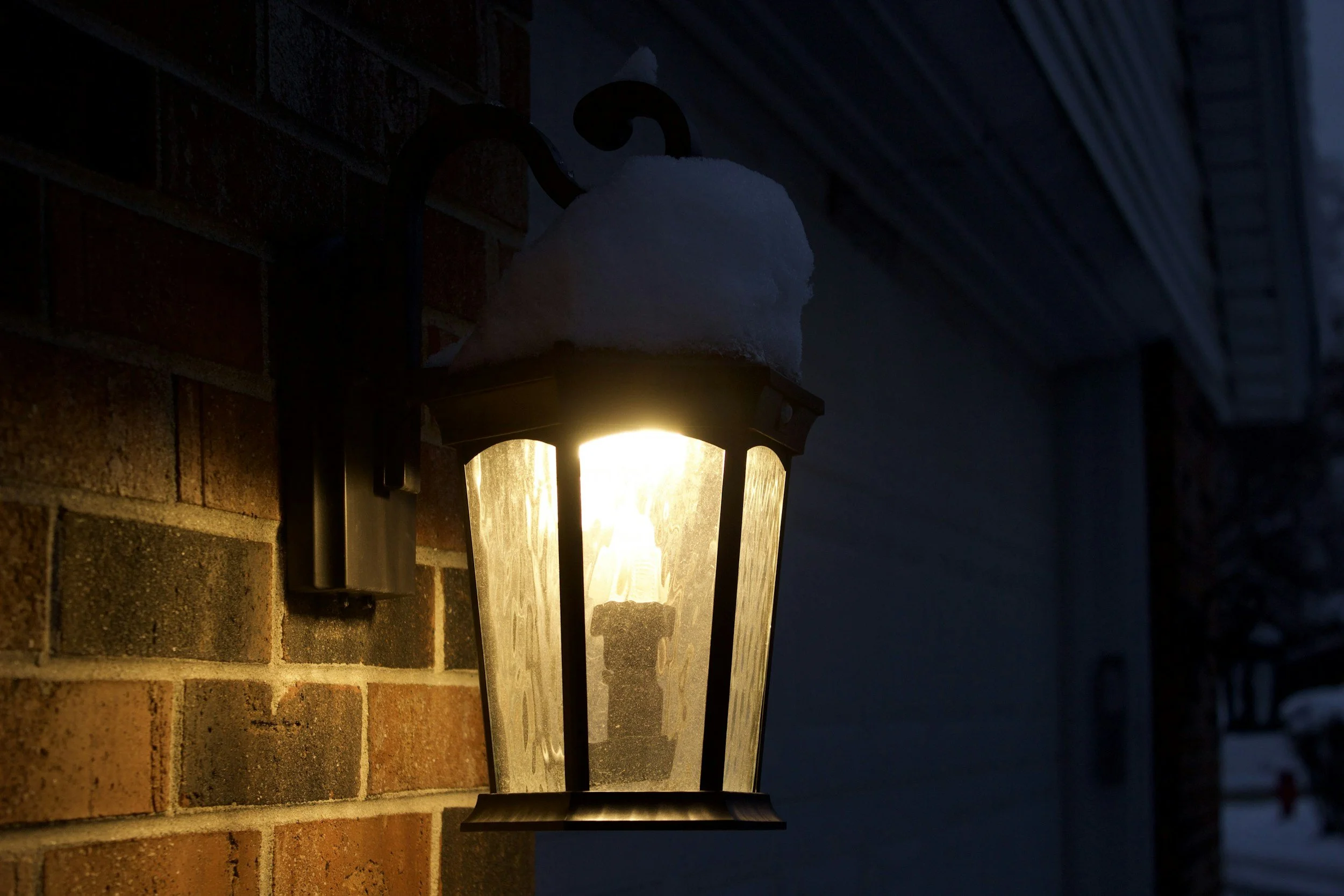
Outdoor lights collect dirt, bugs, and—sometimes—rodents.
Because lights generate heat, they’re an attractive nesting spot for pests.
What to do annually:
Remove covers
Clean lenses
Inspect for nests or damaged wiring
Why it matters:
Clean fixtures shine brighter, last longer, and reduce pest risks.
11. Seal Outlets and Ceiling Boxes
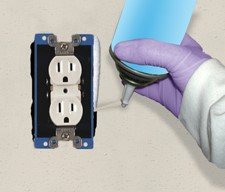
Tiny gaps around outlets and ceiling boxes on exterior walls let conditioned air escape—and outdoor air creep in.
Sealing these gaps:
Reduces drafts
Lowers energy bills
Improves comfort
Why it matters:
This half-day project delivers year-round savings.
12. Test the Garage Door Safety Shutoff
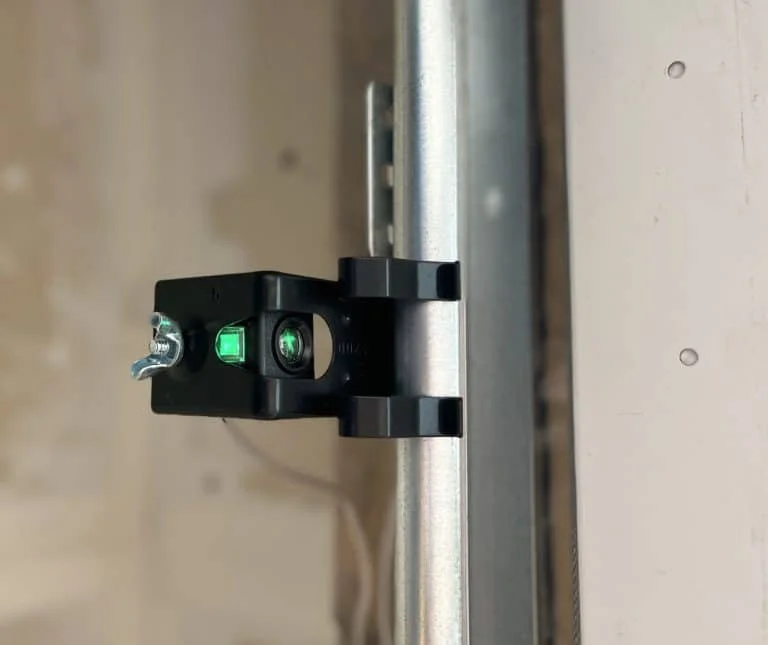
Automatic garage doors are powerful—and dangerous if safety features fail.
Test:
Photo-eye sensors
Auto-reverse function
The door should stop and reverse if anything crosses its path.
Why it matters:
This is a critical safety feature for kids, pets, and property.
13. Lubricate Garage Door Hinges and Rollers
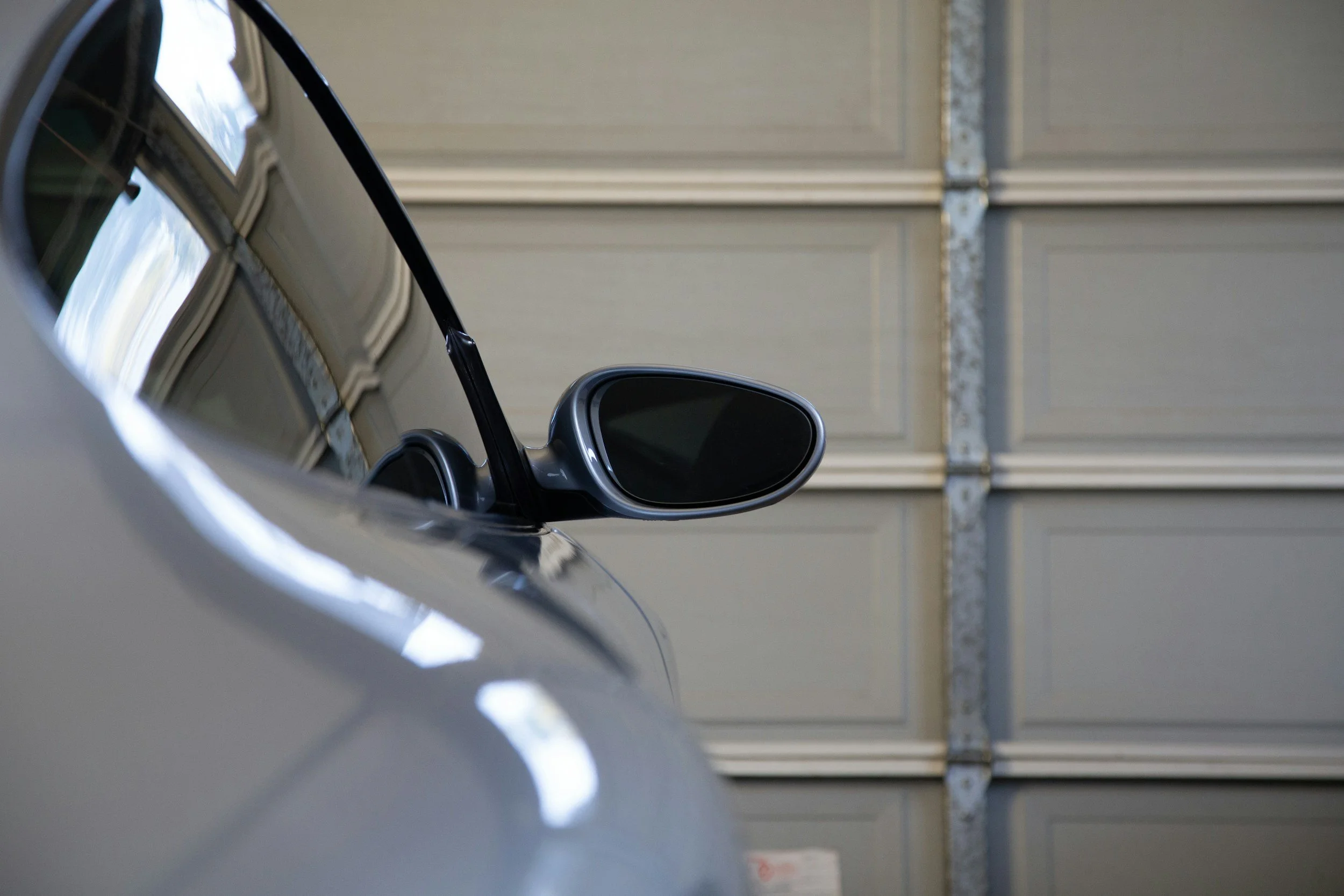
Dry, squeaky garage doors aren’t just annoying—they’re wearing themselves out.
Use lithium-based or silicone lubricant on:
Hinges
Rollers
Tracks (lightly)
Why it matters:
Lubrication extends door life and ensures smooth, quiet operation.
14. Lubricate Garage Door Springs
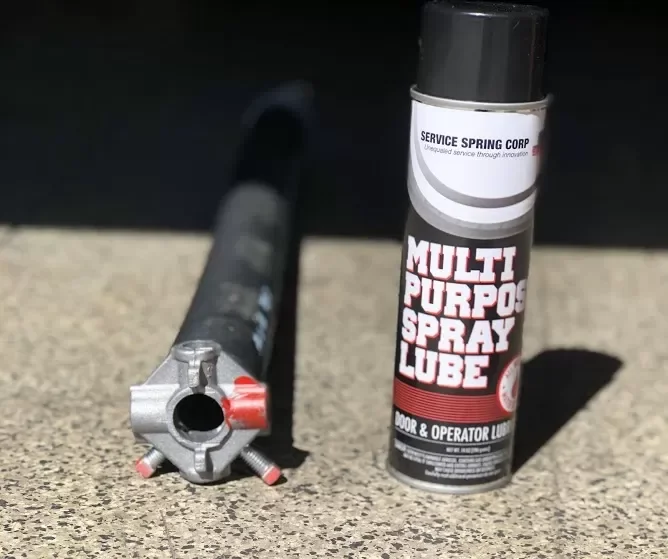
Garage door springs endure enormous stress.
While they’ll eventually fail due to metal fatigue, annual lubrication slows corrosion and extends lifespan.
Why it matters:
Longer spring life means fewer emergency repairs.
15. Check Garage Door Balance
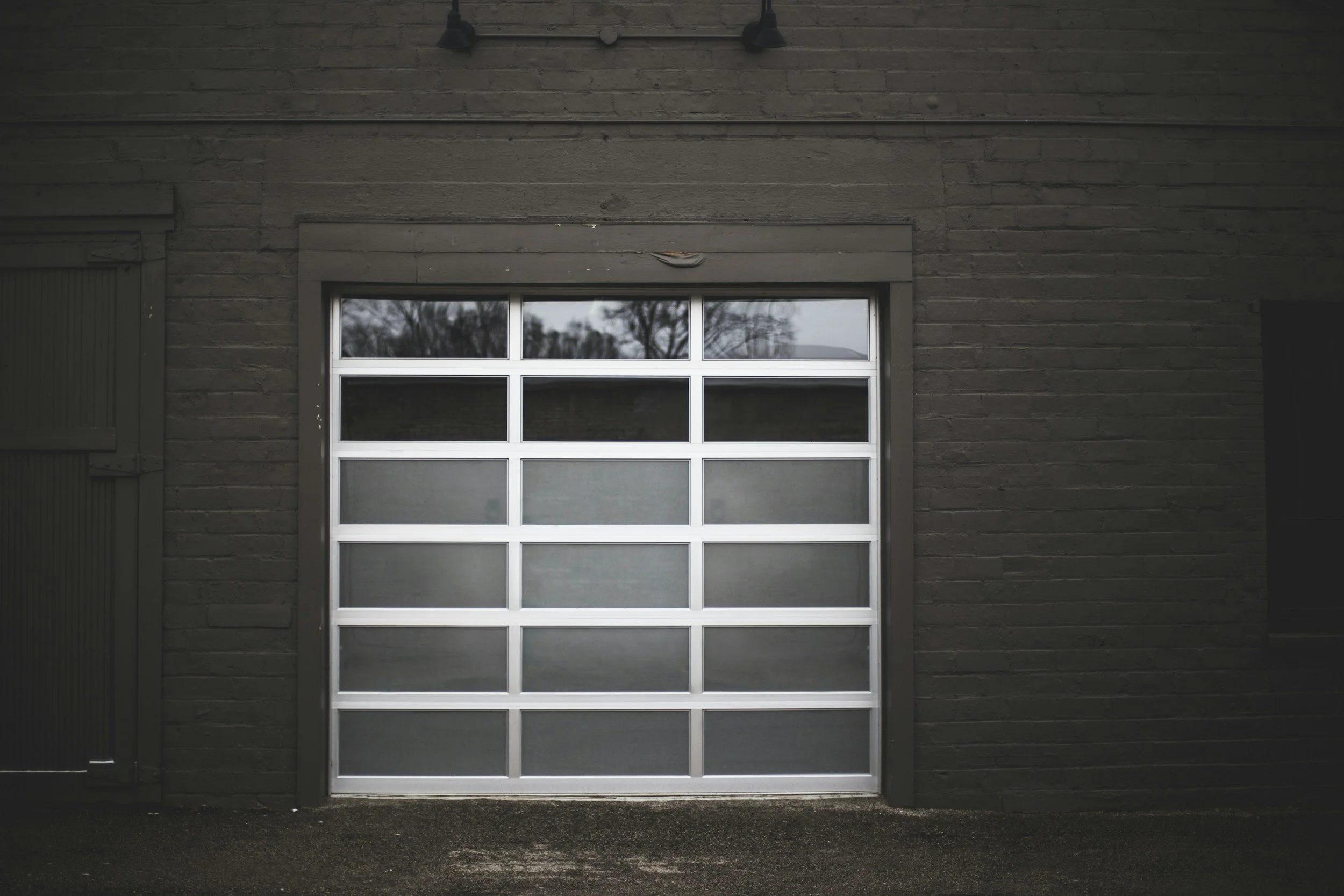
An unbalanced garage door strains the opener and increases failure risk.
How to check:
Close the door
Disconnect the opener
Lift the door halfway and release
Stays put? Balanced
Falls or rises? Needs adjustment
⚠️ Important: Spring adjustment is dangerous—leave it to professionals.
Why it matters:
A balanced door protects your opener and prevents sudden failures.
If you’d like you support my page, please consider buying me a coffee.
Click this picture:
Final Thought
Homeownership isn’t about doing everything—it’s about doing the right things at the right time.
These overlooked tasks don’t make your house look prettier, but they quietly protect your investment, improve safety, and save money year after year. Stay ahead of them, and your home will take care of you in return.














Discover 5 breakthrough Etsy trends for 2026 sourced outside the platform. Learn how to launch high-converting products before your competition floods the market.