
The $640 Million Paperweight: Stefan Thomas and the World’s Most Expensive USB Drive

Imagine you are holding a small, sleek piece of metal and plastic in your palm. It’s an IronKey S200, a military-grade USB drive. It’s small enough to fit in your pocket, yet it holds a secret worth more than the GDP of some small nations.
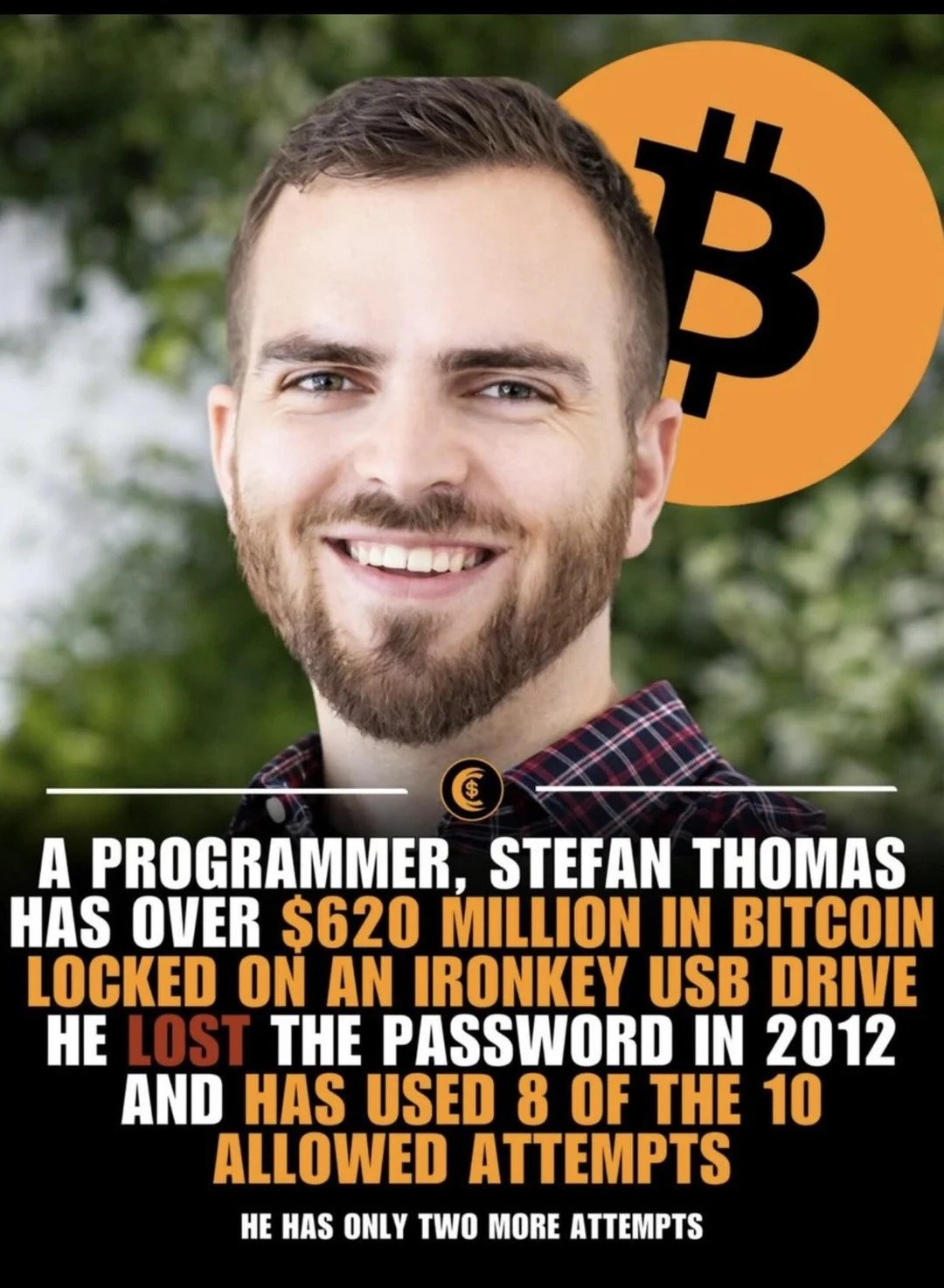
Inside that drive are the private keys to 7,002 Bitcoin. As of today, January 4, 2026, with Bitcoin hovering around $91,500, that little stick is worth approximately $640.6 million.
There’s just one problem:


Related:
17 Times People Solved Everyday Problems With Shockingly Clever Ideas
Guy Maliciously Complies and Waits Until Neighbor Falls Through The Ceiling
Stefan Thomas has forgotten the password
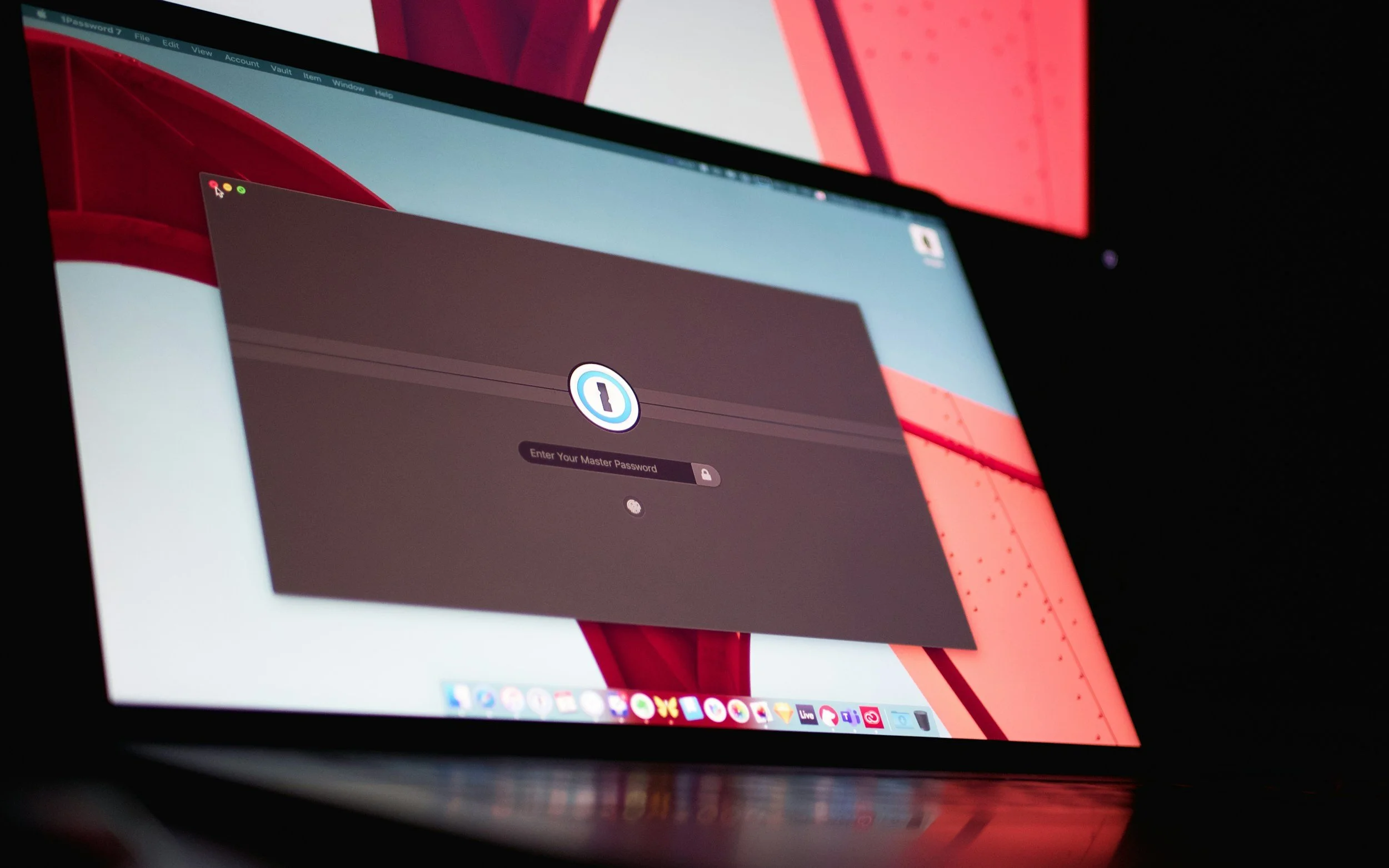
A 15-Dollar Video and a Digital Fortune
The story begins in 2011, a time when Bitcoin was a fringe experiment for cypherpunks. Stefan Thomas, a German-born programmer living in San Francisco, was paid 7,002 BTC for creating a simple animated video titled "What is Bitcoin?" At the time, the coins were worth about $15.
Thomas, treats it like a digital novelty, stashed the keys on an IronKey drive and scribbled the password on a slip of paper. He then did what most of us do with "worthless" digital files: he lost the paper. He tucked the drive away and moved on with his life, eventually becoming the CTO of Ripple and amassing a separate, substantial fortune.
But as Bitcoin’s price began its legendary ascent—climbing through the hundreds, the thousands, and eventually the tens of thousands—the forgotten drive transformed from a digital dusty relic into a high-stakes psychological ticking time bomb.
The Fort Knox of Flash Drives
Why can't he just "hack" it? Because the IronKey S200 isn't your average thumb drive. It was designed with a specific, brutal security feature: the self-destruct.
The IronKey allows the user exactly 10 attempts to enter the correct password. If the tenth attempt is wrong, the drive doesn't just lock you out; it permanently encrypts and erases the encryption keys, rendering the data inside "digital vapor."
Stefan Thomas has already failed eight times.
"I would just lay in bed and think about it," Thomas told the New York Times. "Then I’d go to the computer with some new strategy, and it wouldn't work, and I’d be desperate again."
He is currently sitting on two remaining guesses. One more mistake, and he is one step away from the permanent loss of a half-billion-dollar fortune.
Enter the Cryptojackers: The 2023 Breakthrough
For years, the consensus was that Thomas’s Bitcoin was "lost" forever. But in late 2023, a cybersecurity firm named Unciphered claimed they had done the impossible.
Using millions of dollars in equipment, the team performed what can only be described as "digital neurosurgery" on an identical IronKey model. Their process involved:
CT Scanning the drive to map the internal circuitry.
Using Nitric Acid to "de-cap" the silicon chips.
A Scanning Electron Microscope to view the physical layout of the transistors.
Bypassing the 10-attempt counter by physically manipulating the hardware.
They successfully demonstrated the hack to a journalist from Wired, proving they could bypass the "self-destruct" and brute-force the password. They reached out to Stefan Thomas with an open letter, offering to liberate his 7,002 BTC.
He said no.
The Ultimate Paradox
Why would a man refuse help to unlock $640 million? Thomas claims he had already entered into verbal agreements with two other recovery teams and felt a moral (and perhaps legal) obligation to let them try first.
Furthermore, Thomas has reached a level of Zen-like acceptance. He is already wealthy from his work at Ripple. He has stated that the mental toll of obsessing over the drive was destroying his life, and he eventually decided to "let it be in the past" for his own mental health.
As of early 2026, the drive remains in a secure, undisclosed location—likely a Swiss vault—waiting for a day when the technology is so foolproof that Thomas feels comfortable risking one of his final two chances.

The story of Stefan Thomas has sparked a fierce debate among cybersecurity legends, crypto pioneers, and financial philosophers. Here is what the experts have to say about the $640 million lockout:
The Technical Experts: "It Can Be Done"
When the story first broke, the cybersecurity community shifted into "challenge accepted" mode. Alex Stamos, the former Chief Security Officer at Facebook and a Stanford Internet Observatory researcher, famously offered his services via Twitter:
"Um, for $220m in locked-up bitcoin, you don’t make 10 password guesses but take it to professionals to buy 20 IronKeys and spend six months finding a side-channel or uncapping. I’ll make it happen for 10%. Call me."
The team at Unciphered, who spent 2023 successfully reverse-engineering the IronKey S200, described the drive not as a storage device, but as a digital fortress. Their lead hacker, who goes by the alias "Tom Smith," told Wired:
"This isn't a password recovery. This is a digital autopsy. We had to use a scanning electron microscope to see the actual gates on the silicon. We’re essentially performing neurosurgery on a chip that’s designed to commit suicide if you touch it wrong."
The Crypto Philosophers: "The Cost of Freedom"
For many in the Bitcoin world, Thomas’s plight is the ultimate test of the "Be Your Own Bank" ethos. Jameson Lopp, a well-known Bitcoin security expert and co-founder of Casa, often uses such stories to highlight the dangers of "single points of failure":
"The hardest part of Bitcoin isn't the cryptography; it's the human element. We are built to forget. The technology is built to never forget. When those two forces collide, the technology wins every time."
Others, however, see it as a systemic failure of the early crypto user experience. A commentator in the CISO Mag noted:
"Losing a password is not a moral failure... We think it's perfectly normal to have millions of dollars in funds stored in systems so fragile they can be irreversibly destroyed by a single user error. This is an extraordinary failure of both the technology and the community."
The Man Himself: "The Bank vs. The Cobbler"
Perhaps the most poignant "expert" quote comes from Stefan Thomas himself, who, after years of agony, developed a very different perspective on the decentralization he once championed:
"This whole idea of being your own bank—let me put it this way: Do you make your own shoes? The reason we have banks is that we don’t want to deal with all those things that banks do."
He eventually concluded that the mental health cost of the pursuit was higher than the value of the coins:
"I got to a point where I said to myself, 'Let it be in the past, just for my own mental health.'"
The Reality Check
The irony isn't lost on the industry. As Chainalysis frequently points out in their reports, roughly 20% of all Bitcoin (worth billions) is estimated to be lost in similar "digital graveyards." Experts agree that while the IronKey was the peak of 2011 security, it has become a monument to the "permanent" nature of blockchain—where the code is law, and the law does not recognize "I forgot."
The Lesson:
The Stefan Thomas saga is the ultimate cautionary tale of the decentralized era. In the world of traditional finance, a forgotten password means a trip to the bank with your ID. In the world of Bitcoin, you are your own bank—which means you are also your own security guard, vault technician, and IT department.
Total control comes with total responsibility.
Today, those 7,002 Bitcoins sit motionless on the blockchain, visible to everyone, owned by a man who can touch the drive but never the treasure. It is a $640 million reminder that in the digital age, a single forgotten string of characters is the difference between a life of unimaginable luxury and a very expensive piece of electronic scrap.















Struggling to make it through a long Friday workday? Enjoy a hilarious collection of random memes, plus expert tips on finding joy and fun in everyday life.